|
|
|
 |
||||||||||
|
||||||||||
|
|
||||||||||
|
||||||||||
|
||||||||||
|
|
||||||||||
|
|
|||||||||
|
Joseph Wildanger (1885-1936), the founder of Joseph Wildanger Co. of Red Bank, New Jersey, was born in Hungary in 1885. Following a seven-year apprenticeship with a Viennese carriage builder, he received his Meisterschein (master's certificate) in 1906 and returned to his native Hungary where he opened a small shop of his own. For the next few years, the young businessman turned out a wide variety of carriages and wagons using labor provided by a number of coachbuilder’s apprentices and laborers. He married in 1908, but within two years his young apprentices were literally eating him and his young wife out of house and home. In 1910 he closed down his shops and with the help of his wife’s dowry, emigrated to the United States, where he found employment with the J.H. Mount Co., a well-known Red Bank, New Jersey carriage builder. By the mid teens, Mount was building increasing numbers of light commercial bodies for Henry Ford’s popular Model T and TT chassis for vendors and small businesses that needed vehicles for light hauling and package deliveries. Mount’s depot hack and express wagon bodies were especially popular with New Jersey’s small hotels and resorts and were also sold to individuals who needed multi-purpose cars for use on their estates. As foreman of the busy J.H. Mount shops, Wildanger became well acquainted with all of the regional suppliers and decided to form his own body building firm. Founded in 1922, Joseph Wildanger Co. (Jos. Wildanger Co.), specialized in wood-framed suburban bodies for use by wealthy estate owners. By the early twenties both Dodge and Chevrolet introduced light truck chassis and Wildanger’s popular Ford depot hack and suburban bodies could be easily adapted to those new chassis as well. The original Wildanger shop was located on West St between Monmouth and Front Streets, one block away from the Southern Railroad tracks that bisect downtown Red Bank. In a 1984 interview, Wildanger’s oldest son Arthur reminisced:
Two of the three Wildanger sons, Arthur (1909-2000) and Joseph Jr. (1911-1986); went into the business with their father, while the third, Edward G. (1925-2009) went to Rutgers and became a mechanical engineer, eventually forming his own very successful European-system wall furniture business, Eurodesign Ltd. in Santa Clara, California. However, Edward did work at the family business until he graduated from college:
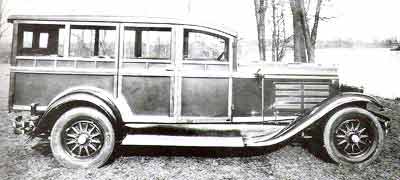
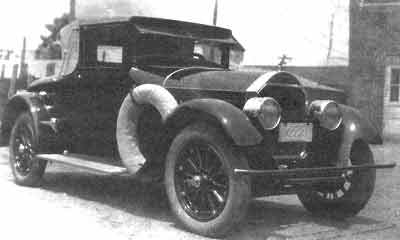
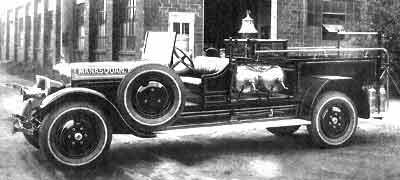
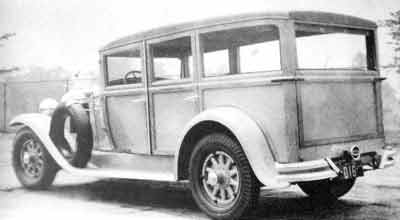
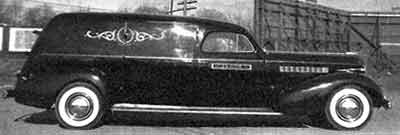
According to Edward, between 1922 and 1932, Wildanger produced 500 suburban station wagon bodies. Most were fitted to Ford Model T and Model A chassis, however a few individually designed woodies were built on Buick, Cadillac, Chrysler, Pierce Arrow, Hupmobile, Studebaker, Jordan and Viking chassis. However, the Red Bank firm did not limit their business to just woodies. Wildanger was one of a handful of American body builders who built bodies for every type of vehicle imaginable. It will be a surprise to many that they are known to have built a convertible coupe on a Pierce-Arrow chassis. For various commercial chassis they built fire apparatus bodies, bus bodies, delivery vans, armored vans, paddy wagons, ambulance and funeral car bodies. They were also one of the earliest firms involved in building bullet-proof cars using Bovite panels, an early armoring material marketed by New York City’s American Armor Co. (33-39 West 34th New York, New York) in the mid-to-late twenties. According to a 1925 Red Bank newspaper article:
Early station wagons were built using white ash framing with poplar panels inserted between them. Ash was both strong and moisture resistant, and could be easily milled and joined. Large poplar trees produced wide knot-free boards that yielded excellent one-piece panels that were equally strong and attractive. Eventually plywood panels supplanted the solid poplar boards. The roofs were built using ash framing covered with yellow poplar slats and were almost always covered in a padded leather or a surface-coated fabric. Early woodies were fairly basic vehicles and were built without any side glass. Flimsy isinglass and canvas side curtains were included that snapped onto fasteners on the posts and rails during inclement weather. Before long, roller shade canvas and leatherette side curtains were installed that were built into the roof and traveled along channels built into the posts. Roll-up glass windows first appeared in the late 1920s. Their bulky mechanisms required that the doors be widened accordingly, creating a new profile to the previously boxy suburban body that used to fit between the wheel wells. This new generation of Suburban was much wider at the rear, spilling over the tops of the rear fenders, requiring additional expertise in bending and joining the ash framing. Joseph Wildanger, Sr. built himself one of the first bodies with roll-down glass windows in 1930 on a new Jordan chassis. Wildanger was one of the first body builders to introduce metal covered plywood panels in their products. Known by such brand names as Ply-Metl and Haskelite, they were originally used in building refrigerated van and dairy bodies, but their durability and ease of use made them perfect for paneling a suburban. The exposed metal panels could be painted the same color as the cowl and fenders, creating a very attractive vehicle that was also easier to maintain. Traditionally, the woodies’ roof was made from parallel wooden laths nailed directly to a series of slightly arched roof bows. Just as Wildanger had adopted Ply-Metl for their paneling, they began replacing the lathing with Masonite, a compressed fiberboard wood product that had recently been made available. Masonite roofs were not only stronger but they were easier to install as well as the entire roof could now be made from a single sheet of material. Surprisingly the introduction of the mass-produced station wagon by Ford in 1928 did not have an immediate impact on Wildanger as most of their work was for private individuals who preferred to have a custom-built body and were willing to pay extra for it. However, business began to fall off in the early thirties, and by 1934, Jos. Wildanger Co. had succumbed to the Depression as had most classic-era custom body builders. However, Wildanger purchased back most of his former woodworking equipment at the bankruptcy auction and quickly reopened at a smaller shop located a short distance away at 1 West Bergen Place. Due to his failing health, Joseph Wildanger, Sr. relinquished control of the new business to his sons, Joseph, Jr. and Arthur, who assumed ownership when their father passed away in 1936. Joseph Jr., who had studied accounting at Trenton, N.J.’s Rider College, took care of the financial end of the business and Arthur supervised the shop. Arthur later recounted:
While at Republic, Arthur helped design the complex cowling for the P-47 fighter aircraft. Joseph continued to operate the brother’s Red Bank shop until he was drafted in the early forties. For two years the shop remained closed, but Arthur eventually grew tired of Indiana and returned to Red Bank, reopening the shop, awaiting Arthur’s return from active duty in the Philippines. The introduction of the mass-produced metal-framed woodie wagon put an end to the station wagon building business. However, they found there was plenty of money to be made refurbishing woodie wagons for their existing clients. A 1947 fire destroyed the small West Bergen Place factory and a vacant lot was purchased on Shrewsbury Ave in nearby (1.5 mi) Shrewsbury, New Jersey. Joseph recollected in a 1984 interview:
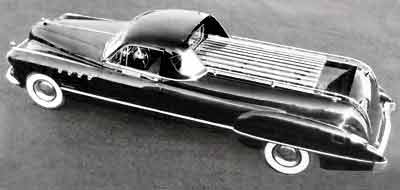
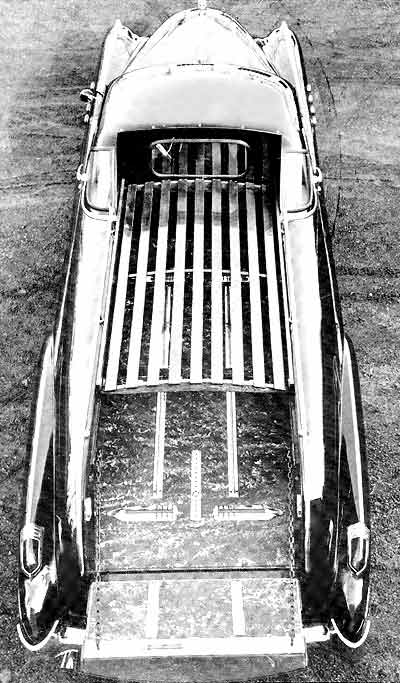
With the help of a few customers, the brothers were able to secure private financing for the new building which was novel in that it was one of the first buildings in the area with radiant floor heating: "We laid one mile of iron pipe under he cement floor," said Arthur. Wildanger also built some professional cars as well as woody wagons. One 1949 Buick Roadmaster flower car built on a 161-inch wheelbase is known to exist and is owned by PCS member Jim Smallwood. Joseph Jr., remembered the vehicle which was originally built for John Flock, a Long Branch, New Jersey funeral director: “I hammered all the panels out of sheet metal. You didn't see a ripple in it.” Instead of the normal aluminum flower tray and casket compartment, it is floored with linoleum and has an arched-wood flower tray over the top. The cab has wrap-around rear quarter windows, but they end at the flower tray and a normal vertical pickup-style window separates the casket compartment form the cab. By the early 1950s: "Custom built work became prohibitive in cost and we couldn't get experienced help," said Arthur. The brothers converted the shop to accommodate repair, rebuilding and paint work and continued to build commercial bodies for local merchants. In July of 1983 the Wildanger brothers sold the business and retired after 62 years of continuous Wildanger family leadership. "We had a reputation that money couldn't buy," Arthur stated in 1984. "'Quality Since 1922' was our motto." Joseph Jr. passed away two years later in 1986, Arthur in 2000 and Edward in 2009. Although it’s still called the Joseph Wildanger Co., the busy collision shop on Shrewsbury’s auto row is no longer family owned. © 2004 Mark Theobald - Coachbuilt.com with special thanks to Edward G. Wildanger and Thomas A. McPherson
|
||||||||||
|
||||||||||
|
||||||||||
|
||||||||||
|
||||||||||
|
||||||||||
|
|
||||||||||
|
|
||||||||||
|
|
||||||||||
|
||||||||||
|
|
||||||||||
|
|
||||||||||
|
|
||||||||||
|
© 2004-2012 Coachbuilt.com, Inc.|books|disclaimer|index|privacy |
||||||||||