|
|
|
 |
||||||||||
|
||||||||||
|
|
||||||||||
|
||||||||||
|
||||||||||
|
|
||||||||||
|
|
|||||||||
|
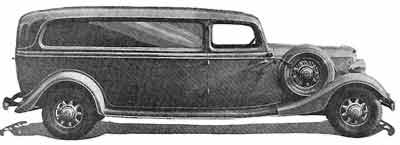
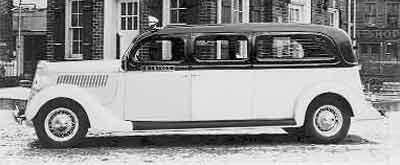
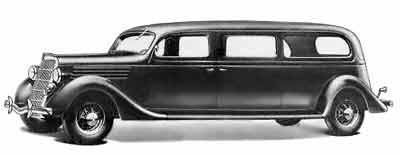
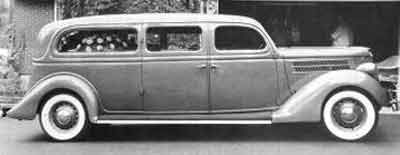
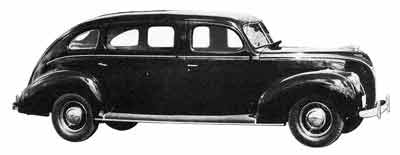
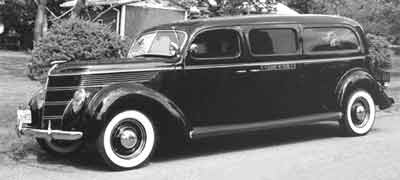
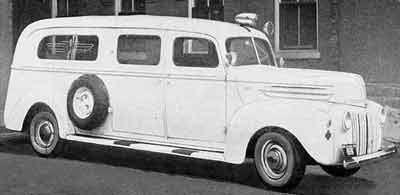
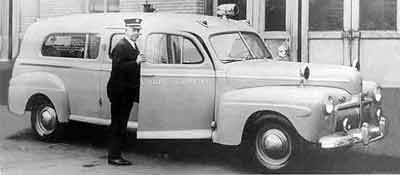
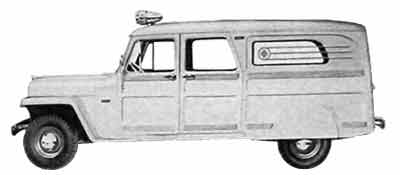
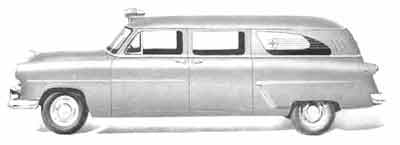
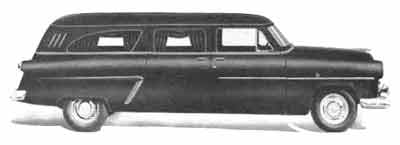
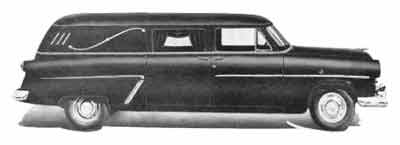
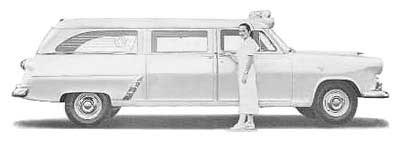
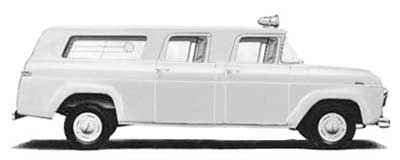
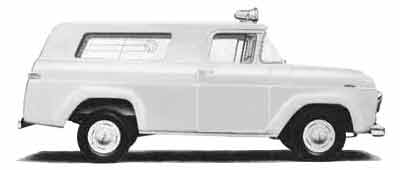
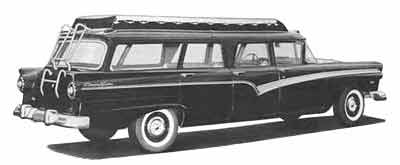
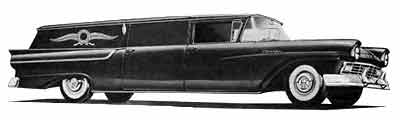
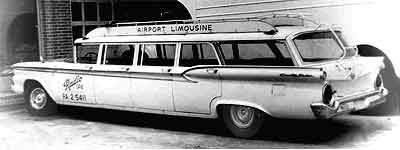
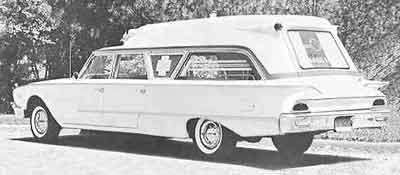
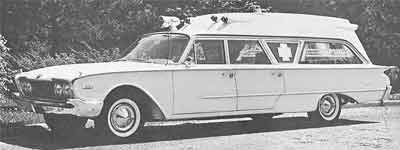
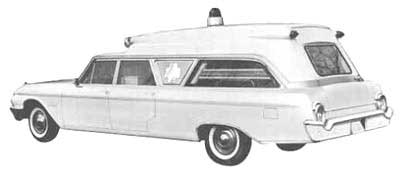
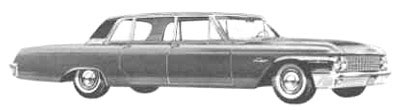
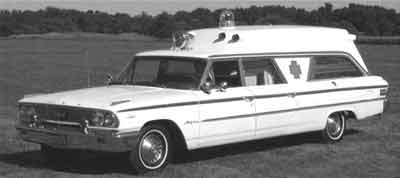
The Shop of Siebert was formed in 1853 to produce buggies, carriages and wagons for the Ohio farm community of Waterville, which was located 15 miles south of Toledo. They enjoyed a good reputation and soon began producing commercial carriages and hearses for businesses in nearby Toledo, Ohio and Detroit, Michigan. By the late 1880s production was focused on delivery wagons and hearses. In the early 1900s they started building bodies for motorized commercial vehicles and even manufactured their own assembled light truck called the Siebert between 1911 and 1916. A 2-cylinder 5/8-ton and 4-cylinder 1-ton truck were the initial Siebert commercial offerings. A 3/4-ton 4-cylinder truck soon followed. The final offerings for 1915-1916 were the 3/4 ton and the 1-ton, both with 4-cylinder engines, 3 speed transmissions and chain drive. The introduction of Ford's Model TT truck chassis doomed many commercial chassis in the mid-teens and the Shop of Siebert's 3/4- and 1-ton offerings were no exception. Siebert seized the opportunity and introduced a new line of hearse, ambulance and commercial van bodies built specifically for the extremely popular Fords. As did most other builder in the teens, Siebert also did a large number of horse-drawn to motorized funeral car conversions. During the late Twenties Siebert set up a professional vehicle sales office in Toledo which was known as the National Hearse and Ambulance Company. All Shop of Siebert coaches were now sold through National, their exclusive nationwide distributor. By the late 1920s Siebert's chassis of choice was the Ford A and AA, however many Dodge, Graham and Chevrolet chassis were fitted with Siebert bodies. Starting in 1933 Siebert entered into an exclusive agreement to use Ford chassis on all of their vehicles. Starting with a standard Ford V8 sedan delivery whose body was made by Budd, Siebert cut the truck in the middle of the B pillar, lengthened the frame by either 24" or 36"" then spliced in a second B-pillar to B-pillar door on each side of the vehicle. The very same technique is still used today by coachbuilders who manufacture hearses and stretch limousines. All passenger car-based Siebert coaches featured front-opening "suicide" rear doors hinged to the C-pillar, as did most of their truck-based conversions. In 1935 three versions were available, an ambulance for $1470, a hearse for $1370 and a service car for a very low $1300. In Wagner's Ford Trucks since 1905, he theorizes that Siebert used the then-popular W.G. Reeves frame extension kits when extending a Ford chassis. It's certainly a possibility as Seibert's low production couldn't justify the expense of building their own frame, especially when Reeves kits were already available. Reeves made extensions for Ford Model A, AA, B, BB commercial chassis as well as model 40 and 46 passenger car chassis. The commercial extensions were available in a number of popular sizes and the model 40/46 passenger frame extensions were available in both 24" and 36". For 1935 Siebert offered the Ford V8 Sedan Bus, an 8-door airport limousine made by chopping a Stock Ford Fordor Touring Sedan in half at the B-pillar and stretching the chassis to 190" and installing the four extra doors in-between the split B-pillars. Academy Award-nominated actor Wallace Beery owned a 1936 11-passenger Ford V8 Sedan Bus by Siebert. Painted black, it included the optional covered roof rack, and was used for camping and hunting excursions. The new Aerodynamic Ford front end treatment made for some great-looking 1937 Siebert coaches. When equipped with the wheel spats from the Deluxe V8 sedan delivery, the Siebert bodies complemented the new V-shaped grills and oval headlights and were one of the best-looking coaches available, even though the were based on a light truck, rather than a luxury car chassis. Siebert coaches complemented the new 1939-1941 Ford styling and sold quite a few Ford and Mercury ambulances, hearses and service cars to cost-conscious businesses and municipalities prior to WWII. Ford's introduced new styling in 1942 and the resulting Siebert-Fords began to look more like the stretched panels vans that were based on than the car-like Sieberts made in the late 1930s. Siebert started producing airport limousines using stretched Ford sedans in the late Thirties and found a waiting customer for their long 15-passenger eight-door coaches when WWII began. War contractors needed to furnish transportation to the thousands of war workers that now lived adjacent to their plants and Siebert's airport limousines fit the bill. Portions of the small Siebert factory were also re-tooled to make parts for the Air Force's Republic P-47 Thunderbolt fighter plane. Immediately after the war, Siebert utilized whatever chassis they could get a hold of, so a few 1945-1947 Siebert conversions were built using Ford 1/2 ton cowl/chassis and pickup trucks, with a Siebert-manufactured bodies from the cowl or B-pillar back. Siebert professional vehicles of this period replaced all of the Ford badges and nameplates with "Siebert" script. With supplies returning to normal by mid-1947 Siebert continued their pre-war practice of using stretched Ford panel-vans, as well as stretched Ford and Mercury Fordor sedans and coupes. Due to widespread shortages of materials and a pent-up demand for new coaches the immediate post-war years were a sellers market and the price of Seibert coaches increased accordingly. Siebert also built a fair number of long wheelbase multi-door, multi-passenger Ford and Mercury sedans and station wagons for the emerging airport and resort limousine business from 1946 through 1949. Siebert may have supplied the coachwork for the 1950 Ford/Marmon-Herrington Ranger four-wheel-drive suburbans. The Ranger's bodies and seating arrangements were identical to Siebert's Ford Suburban conversions found in their 1950 catalog. Siebert introduced new models in 1950 utilizing Ford's new styling introduced in 1949. The Leeds was an unusual fastback 4-door ambulance built using a stretched 4-door passenger car chassis with a sloping rear roof and quarter window, not found on any standard Ford vehicles of the time. Passenger car-based Siebert coaches featured front-opening "suicide" rear doors hinged to the C-pillar. 1951 Siebert's featured a different rear roofline similar to that found on the Ford Ranchwagon, but retained the suicide rear doors introduced in 1933. Siebert also built on Jeep/Willys chassis, offering the Willys S.O.S. Ambulance in the early 1950s. Built on a lengthened wheelbase it was advertised as "America's most versatile low cost ambulance." 1952 Siebert passenger car-based coaches were built using Ford's brand new 1952 Courier sedan deliveries. Throughout the 1950s Siebert enjoyed a brisk business converting new Ford and Mercury Coupes and Sedans into airport limousines, a business that they continued into the early 1960s. Siebert was one of the few professional car builders that offered a stretched Edsel coach. One 1959 Siebert-built Edsel Villager long wheelbase ambulance still exists. Not to be confused with the standard-wheelbase Edsel Amblewagons, the Siebert-built Edsel was totally custom built and featured the same extra wide, hand-fabricated rear doors and raised rear roof and integral rear loading door that was found on their long-wheelbase Ford and Mercury coaches. © 2004 Mark Theobald - Coachbuilt.com with special thanks to Bernie deWinter III Bernie deWinter III adds: "Shop Of Siebert. Actually, from the late '50's on, this firm's cars didn't use anything but stock station wagon rear side doors. According to what has been learned by a friend who owns 2 Sieberts, the firm hired a Corvette engineer to handle its fiberglass work in the late '50's, and Siebert used fiberglass roofs and rear loading doors from that point on. Actually, the area at the leading edge of the quarter panels was filled in with a stock station wagon rear door skin, which is why the '61 and later models used those air scoops, and the location was to fill in the stamped in recesses where the outside door handles were mounted. Those scoops were the ones used on the tops of '56 Corvette fenders. This firm was located in Waterville, and later on, Whitehouse, Ohio, before being moved sometime in 1963 to Inkster, Michigan. After Karron Corporation acquired the firm, its fate was pretty much sealed when it was realized that it cost Siebert about as much to build a coach on a Ford chassis as it was costing larger firms to build on a Cadillac chassis. Siebert also offered lower priced cars based on station wagons and sedan deliveries from the early '50's on, and their simplest conversions were about like an Amblewagon, with a raised roof short wheelbase car also being offered."
|
||||||||||
|
||||||||||
|
||||||||||
|
||||||||||
|
||||||||||
|
|
||||||||||
|
|
||||||||||
|
|
||||||||||
|
||||||||||
|
|
||||||||||
|
|
||||||||||
|
|
||||||||||
|
© 2004-2012 Coachbuilt.com, Inc.|books|disclaimer|index|privacy |
||||||||||