|
|
|
 |
||||||||||
|
||||||||||
|
|
||||||||||
|
||||||||||
|
||||||||||
|
|
||||||||||
|
|
|||||||||
|
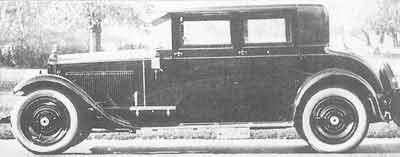
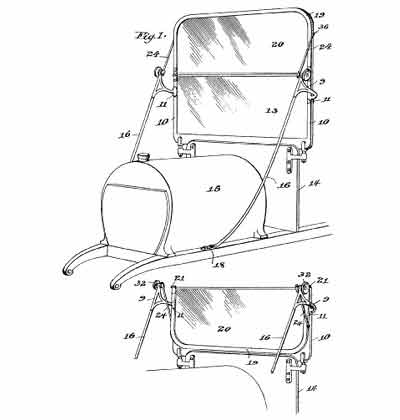
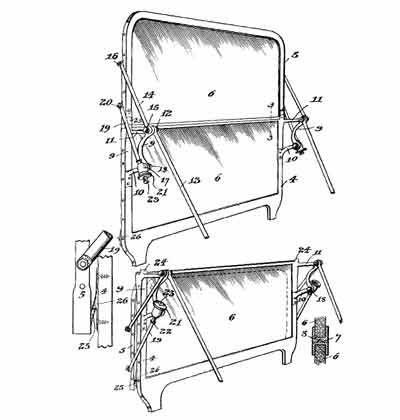
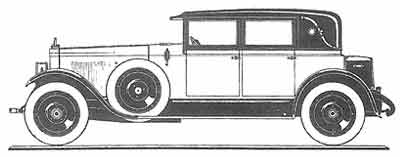
Oscar C. Graff was born in Naperville, Illinois in 1864 to two German immigrants, Lewis and Mary (Price) Graff. His father had passed away sometime prior to the 1880 census which lists his mother, Mary (43yo saloon keeper and boarding house operator) and four siblings: Ida (19yo), Clara (17yo), Edwin (13yo), and Albert (10yo). After completing his public education he took a job with the C.P. Kimball Company in Chicago as an apprentice carriage builder in 1884. He married Rosa Kaiser of Chicago in 1887 and during the next two years attended night school at the Bryant & Stratton Business College where he took courses in business and mechanical drawing. In 1889 his blessed union with Rosa produced a son, Walter W. Graff, and soon afterwards he began working in the Kimball drafting department. Just after the turn of the century Kimball began building automobile bodies, and between 1906 and 1910, Graff was awarded three automobile-related patents, two for windshields and the third for a novel shock absorbing fender (aka bumper). Kimball severely curtailed their operations at the start of the First World War providing Graff with an opportunity to form his own body-building firm, the Graff Manufacturing Company which commenced operations in early 1917 at leased quarters located at 2909 Indiana Ave., Chicago, Illinois. Graff specialized in closed bodies and soon developed a working relationship with the Chicago branch of the Packard Motor Car Company. Graff is also known to have bodied a Rolls-Royce, a few Cadillacs and was also a custom coachwork supplier to the Chicago Marmon distributor. Graff was listed as a Marmon custom coachbuilder (along with C.P. Kimball, Larkin, Brewster, Brunn, New Haven Carriage Co., Rubay and Hume) in a 27 page catalog called “Specially Constructed Bodies… for the Marmon Chassis by America’s Master Coach Builders” put out in 1920 by the Marmon Chicago Co. The November 8, 1922 Salt Lake Tribune included the following paid article/advertisement for Western Motors, the Salt Lake, Utah Packard distributor:
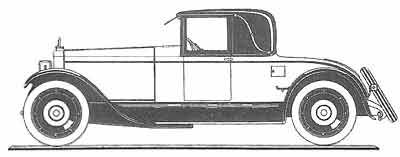
Graff’s work was regularly shown at the annual Chicago Auto Salon and at the January 1924 Salon the Chicago Rolls-Royce dealer displayed a Graff-built Silver Ghost. An attractive 4-passenger Club Sedan was built in 1924 for Stanley Field, the nephew of the founder of Chicago’s Marshall-Field & Co. department store chain. The rear compartment was separated by a glass divider and a porthole was provided for communication between master and servant. In addition to building there own bodies, Graff also modified standard Packard coachwork to suit the needs of the customer. In 1924 they offered a rumble seat coupe that was built using a standard Packard rumble seat roadster (runabout) body to which they added a padded leather faux cabriolet permanent top. The design proved popular and was subsequently used on factory built Packards. As the quality and variety of factory-built coachwork increased, Graff turned to the manufactured of bus bodies to help pay the bill and in 1922 reorganized the firm as the Graff Motor Coach Company. Custom bodies continued to be produced in small numbers but by 1925 the firm devoted all of its energies to the motor coach. Both long distance inter-city and pay as you enter metropolitan coaches were produced on a variety of chassis for the regions emerging private and municipal transit companies. The firm survived until 1935 when its founder, Oscar C. Graff decided to take an early retirement. © 2004 Mark Theobald - Coachbuilt.com
|
||||||||||
|
||||||||||
|
||||||||||
|
||||||||||
|
||||||||||
|
|
||||||||||
|
|
||||||||||
|
|
||||||||||
|
||||||||||
|
|
||||||||||
|
|
||||||||||
|
|
||||||||||
|
© 2004-2012 Coachbuilt.com, Inc.|books|disclaimer|index|privacy |
||||||||||