|
|
|
 |
|||||||||||||||||||||||||||||||||||||||||||||||||||||||||||||||||||||||||||||||||||||||||||||||||||||||||||||||||||||||||||||||||||||||||||||||||||||||||||||||||||||||||||||||||||||||||||||||||||||||||||||||||||||||||||||||||||||||||||||||||||||||||||||||||||||||||||||||||||||||||||||||||||||||||||||||||||||||||||||||||||||||||||||||||||||||||||||||||||||||||||||||||||||||||||||||||||||||||||||||||||||||||||||||||||||||||||||||||||||||||||||||||||||||||||||||||||||||||||||||||||||||||||||||||||||||||||||||||||||||||||||||||||||||||||||||||||||||||||||||||||||||||||||||||||||||||||||||||||||||||||||||||||||||||||||||||||||||||||||||||||||||||||||||||||||||||||||||||||||||||||||||||||||||||||||||||||||||||||||||||||||||||||||||||||||||||||||||||||||||||||||||||||||||||||||||||||||||||||||||||||||||||||||||||||||||||||||||||||||||||||||||||||||||||||||||||||||||||||||||||||||||||||||||||||||||||||||||||||||||||||||||||||||||||||||||||||||||||||||||||||||||||||||||||||||||||||||||||||||||
|
|||||||||||||||||||||||||||||||||||||||||||||||||||||||||||||||||||||||||||||||||||||||||||||||||||||||||||||||||||||||||||||||||||||||||||||||||||||||||||||||||||||||||||||||||||||||||||||||||||||||||||||||||||||||||||||||||||||||||||||||||||||||||||||||||||||||||||||||||||||||||||||||||||||||||||||||||||||||||||||||||||||||||||||||||||||||||||||||||||||||||||||||||||||||||||||||||||||||||||||||||||||||||||||||||||||||||||||||||||||||||||||||||||||||||||||||||||||||||||||||||||||||||||||||||||||||||||||||||||||||||||||||||||||||||||||||||||||||||||||||||||||||||||||||||||||||||||||||||||||||||||||||||||||||||||||||||||||||||||||||||||||||||||||||||||||||||||||||||||||||||||||||||||||||||||||||||||||||||||||||||||||||||||||||||||||||||||||||||||||||||||||||||||||||||||||||||||||||||||||||||||||||||||||||||||||||||||||||||||||||||||||||||||||||||||||||||||||||||||||||||||||||||||||||||||||||||||||||||||||||||||||||||||||||||||||||||||||||||||||||||||||||||||||||||||||||||||||||||||||||
|
|
|||||||||||||||||||||||||||||||||||||||||||||||||||||||||||||||||||||||||||||||||||||||||||||||||||||||||||||||||||||||||||||||||||||||||||||||||||||||||||||||||||||||||||||||||||||||||||||||||||||||||||||||||||||||||||||||||||||||||||||||||||||||||||||||||||||||||||||||||||||||||||||||||||||||||||||||||||||||||||||||||||||||||||||||||||||||||||||||||||||||||||||||||||||||||||||||||||||||||||||||||||||||||||||||||||||||||||||||||||||||||||||||||||||||||||||||||||||||||||||||||||||||||||||||||||||||||||||||||||||||||||||||||||||||||||||||||||||||||||||||||||||||||||||||||||||||||||||||||||||||||||||||||||||||||||||||||||||||||||||||||||||||||||||||||||||||||||||||||||||||||||||||||||||||||||||||||||||||||||||||||||||||||||||||||||||||||||||||||||||||||||||||||||||||||||||||||||||||||||||||||||||||||||||||||||||||||||||||||||||||||||||||||||||||||||||||||||||||||||||||||||||||||||||||||||||||||||||||||||||||||||||||||||||||||||||||||||||||||||||||||||||||||||||||||||||||||||||||||||||||
|
|||||||||||||||||||||||||||||||||||||||||||||||||||||||||||||||||||||||||||||||||||||||||||||||||||||||||||||||||||||||||||||||||||||||||||||||||||||||||||||||||||||||||||||||||||||||||||||||||||||||||||||||||||||||||||||||||||||||||||||||||||||||||||||||||||||||||||||||||||||||||||||||||||||||||||||||||||||||||||||||||||||||||||||||||||||||||||||||||||||||||||||||||||||||||||||||||||||||||||||||||||||||||||||||||||||||||||||||||||||||||||||||||||||||||||||||||||||||||||||||||||||||||||||||||||||||||||||||||||||||||||||||||||||||||||||||||||||||||||||||||||||||||||||||||||||||||||||||||||||||||||||||||||||||||||||||||||||||||||||||||||||||||||||||||||||||||||||||||||||||||||||||||||||||||||||||||||||||||||||||||||||||||||||||||||||||||||||||||||||||||||||||||||||||||||||||||||||||||||||||||||||||||||||||||||||||||||||||||||||||||||||||||||||||||||||||||||||||||||||||||||||||||||||||||||||||||||||||||||||||||||||||||||||||||||||||||||||||||||||||||||||||||||||||||||||||||||||||||||||||
|
|||||||||||||||||||||||||||||||||||||||||||||||||||||||||||||||||||||||||||||||||||||||||||||||||||||||||||||||||||||||||||||||||||||||||||||||||||||||||||||||||||||||||||||||||||||||||||||||||||||||||||||||||||||||||||||||||||||||||||||||||||||||||||||||||||||||||||||||||||||||||||||||||||||||||||||||||||||||||||||||||||||||||||||||||||||||||||||||||||||||||||||||||||||||||||||||||||||||||||||||||||||||||||||||||||||||||||||||||||||||||||||||||||||||||||||||||||||||||||||||||||||||||||||||||||||||||||||||||||||||||||||||||||||||||||||||||||||||||||||||||||||||||||||||||||||||||||||||||||||||||||||||||||||||||||||||||||||||||||||||||||||||||||||||||||||||||||||||||||||||||||||||||||||||||||||||||||||||||||||||||||||||||||||||||||||||||||||||||||||||||||||||||||||||||||||||||||||||||||||||||||||||||||||||||||||||||||||||||||||||||||||||||||||||||||||||||||||||||||||||||||||||||||||||||||||||||||||||||||||||||||||||||||||||||||||||||||||||||||||||||||||||||||||||||||||||||||||||||||||||
|
|
|||||||||||||||||||||||||||||||||||||||||||||||||||||||||||||||||||||||||||||||||||||||||||||||||||||||||||||||||||||||||||||||||||||||||||||||||||||||||||||||||||||||||||||||||||||||||||||||||||||||||||||||||||||||||||||||||||||||||||||||||||||||||||||||||||||||||||||||||||||||||||||||||||||||||||||||||||||||||||||||||||||||||||||||||||||||||||||||||||||||||||||||||||||||||||||||||||||||||||||||||||||||||||||||||||||||||||||||||||||||||||||||||||||||||||||||||||||||||||||||||||||||||||||||||||||||||||||||||||||||||||||||||||||||||||||||||||||||||||||||||||||||||||||||||||||||||||||||||||||||||||||||||||||||||||||||||||||||||||||||||||||||||||||||||||||||||||||||||||||||||||||||||||||||||||||||||||||||||||||||||||||||||||||||||||||||||||||||||||||||||||||||||||||||||||||||||||||||||||||||||||||||||||||||||||||||||||||||||||||||||||||||||||||||||||||||||||||||||||||||||||||||||||||||||||||||||||||||||||||||||||||||||||||||||||||||||||||||||||||||||||||||||||||||||||||||||||||||||||||||
|
|
||||||||||||||||||||||||||||||||||||||||||||||||||||||||||||||||||||||||||||||||||||||||||||||||||||||||||||||||||||||||||||||||||||||||||||||||||||||||||||||||||||||||||||||||||||||||||||||||||||||||||||||||||||||||||||||||||||||||||||||||||||||||||||||||||||||||||||||||||||||||||||||||||||||||||||||||||||||||||||||||||||||||||||||||||||||||||||||||||||||||||||||||||||||||||||||||||||||||||||||||||||||||||||||||||||||||||||||||||||||||||||||||||||||||||||||||||||||||||||||||||||||||||||||||||||||||||||||||||||||||||||||||||||||||||||||||||||||||||||||||||||||||||||||||||||||||||||||||||||||||||||||||||||||||||||||||||||||||||||||||||||||||||||||||||||||||||||||||||||||||||||||||||||||||||||||||||||||||||||||||||||||||||||||||||||||||||||||||||||||||||||||||||||||||||||||||||||||||||||||||||||||||||||||||||||||||||||||||||||||||||||||||||||||||||||||||||||||||||||||||||||||||||||||||||||||||||||||||||||||||||||||||||||||||||||||||||||||||||||||||||||||||||||||||||||||||||||||||||||||
|
Unbeknownst to many, the Ford Motor Company relied upon outside suppliers for most of its coachwork during its first quarter century. It’s hard to determine who made Ford’s first automobile bodies but soon after the Model T was introduced the names of various Michigan-based sheet-metal, millwork and body-building firms begin to appear on Ford’s supplier list. Initially most of the Model T’s bodies were supplied by Ford's existing auto body suppliers C.R. Wilson (1903) and Everitt Brothers (1908). O.J. Beaudette (1910), Kelsey-Herbert Co. (1910), American Body Co. (1911), Hayes Mfg. Co.(1911) Milburn Wagon Co. (1911) and Fisher Body Co.(1912), and the Kahler Mfg. Co. (1915). Regardless of their origin, all of the Model T’s bodies were interchangeable, however the individual parts in a body would not necessarily fit a similar-looking body if it was made by a different manufacturer. Ford even built their own body plant in the mid-teens to help keep up with demand. Typically Ford‘s body suppliers did not supply the Model T’s fenders, with the exception of the Hayes Mfg. Co., who had supplied them with fenders from day one. As Ford’s needs increased, additional Hayes-owned plants supplied additional fenders as required. The J.W. Murray Mfg. Co. of Detroit and Ecorse, Michigan also supplied Ford with Model T fenders and other stamped-metal products such as hoods and frames. While many of Ford’s body suppliers furnished them completed bodies, that is, bodies ready to be mated with finished chassis on the assembly line, a large percentage of them furnished Ford with bodies in-the-white, composite bodies delivered without trim, paint, varnish and hardware. Ford’s bodies in-the-white were typically finished by American Auto Trimming, Windsor, Ontario based firm with a large satellite plant in Detroit. Convertible tops were initially supplied by two firms, O.J. Beaudette and the American Top Co. of Jackson, Michigan. O.J. Beaudette is though to have supplied Ford with well over 2,000,000 bodies from 1910-1922 when the firm became a subsidiary of the Fisher Body Co. In late 1911 Ford started supplying its dealers with its first commercial vehicle, the Model T Delivery Wagon. Produced into late 1912 bodies for the Delivery Wagon were built by O.J. Beaudette and the Milburn Wagon Co. These were initially painted red, with the standard blue fenders. In January Ford announced that fenders would be black and the bodies unpainted. A poor seller, production was discontinued early in the year. The last were sold in December 1912. What follows is a chart of OEM Ford Model T & TT Body Suppliers with approximate dates each firm worked with Ford.
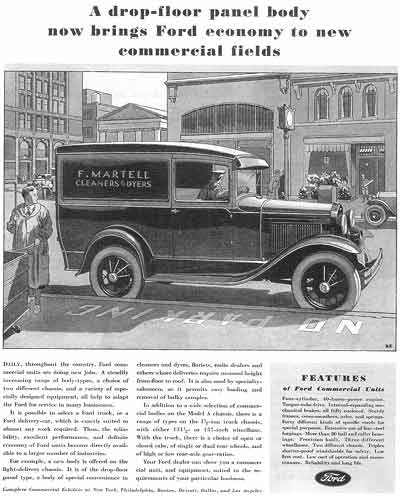
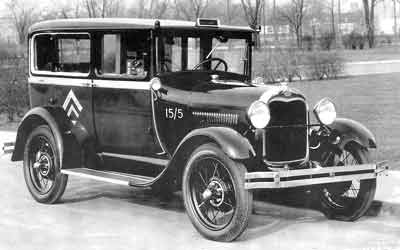
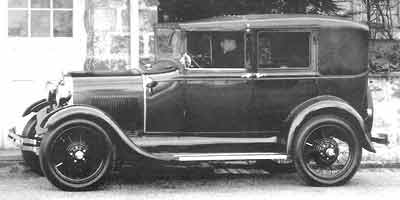
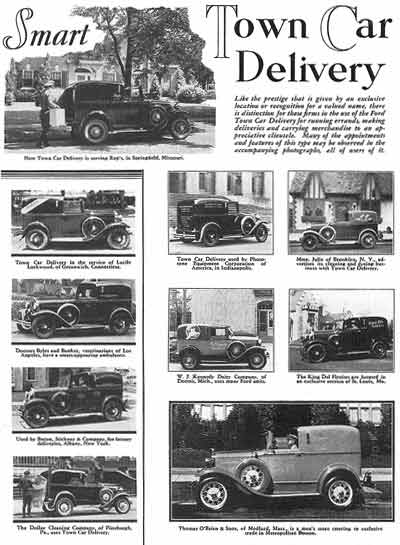
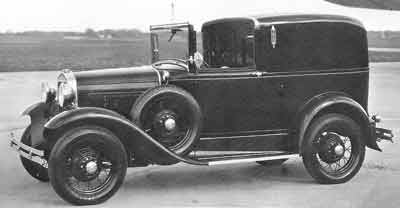
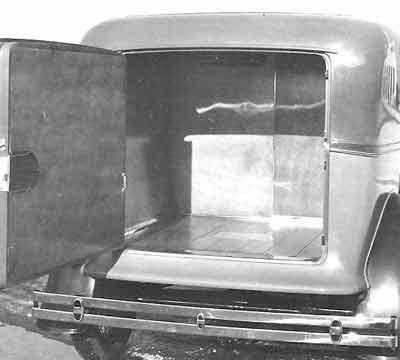
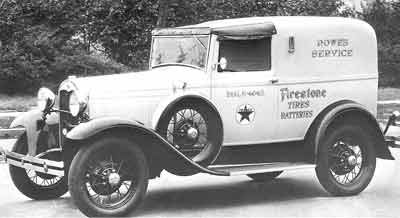
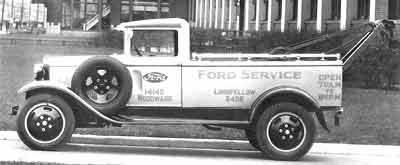
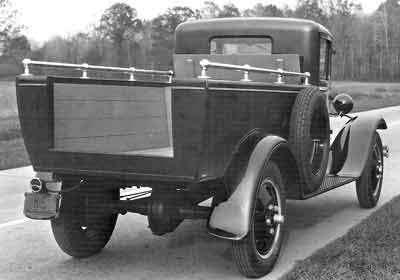
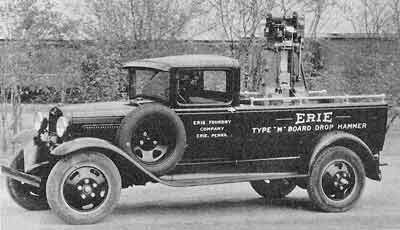
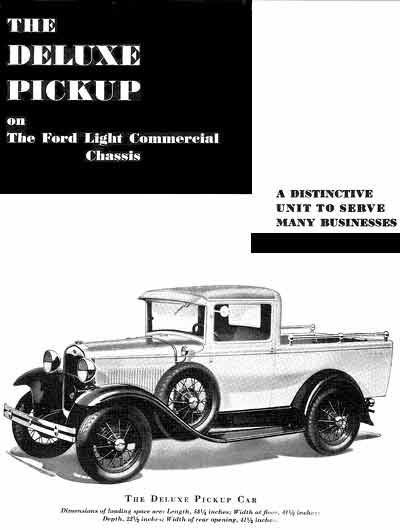
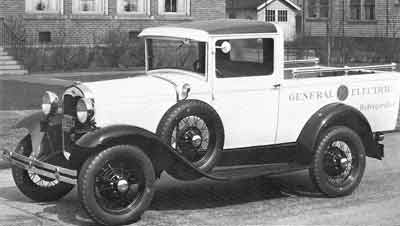
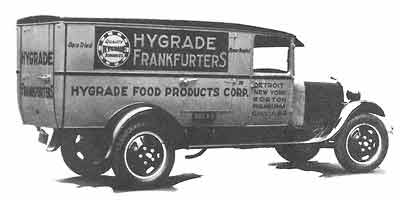
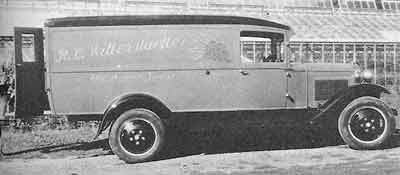
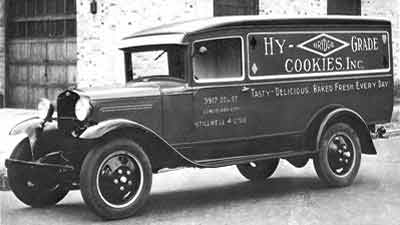
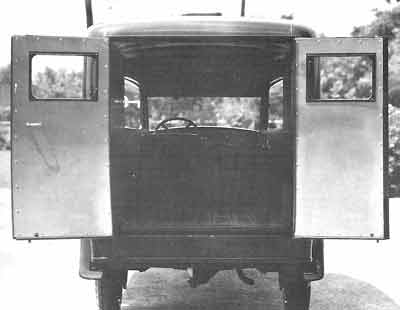
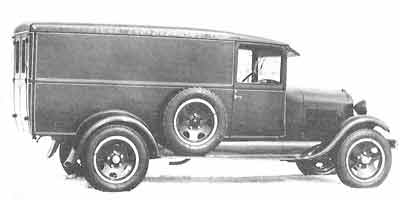
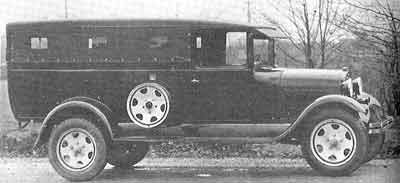
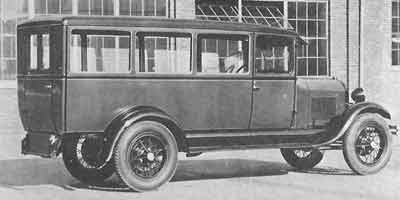
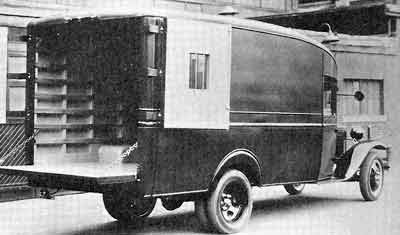
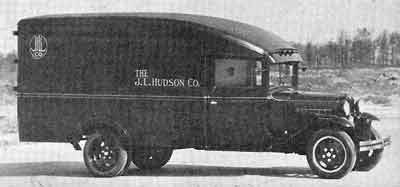
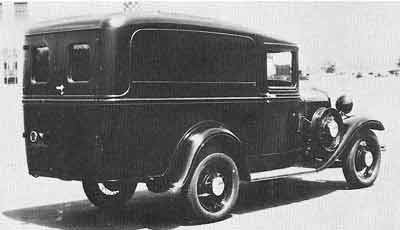
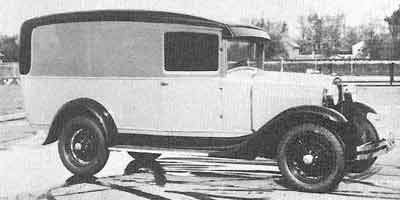
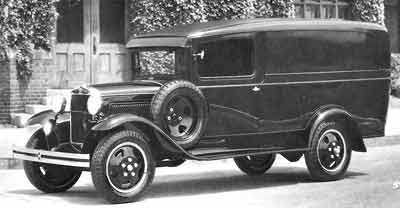
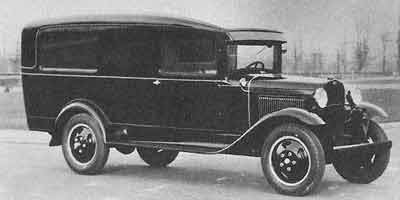
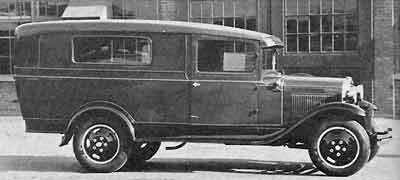
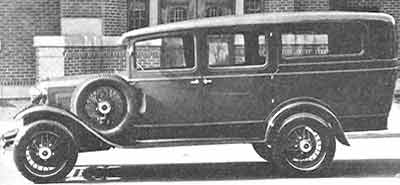
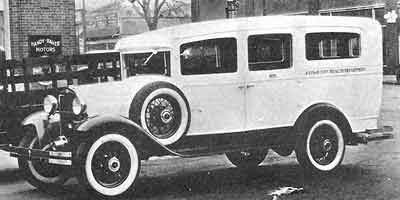
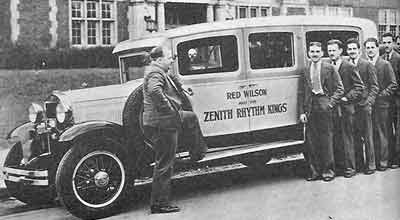
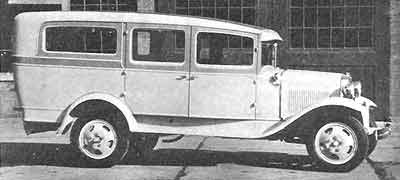
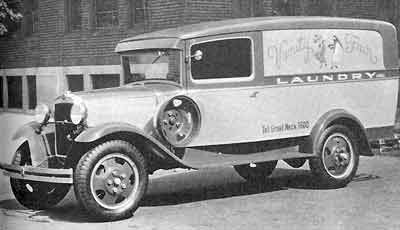
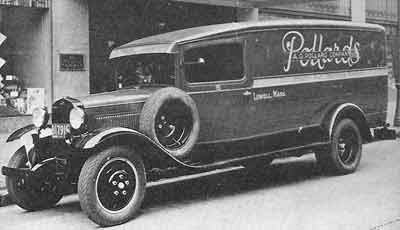
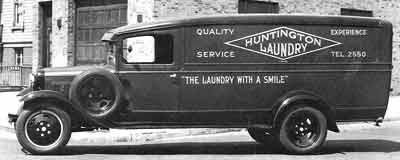
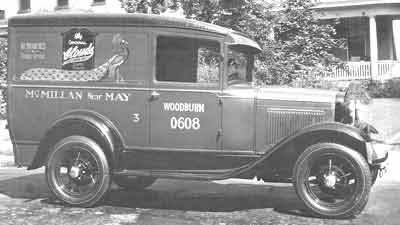
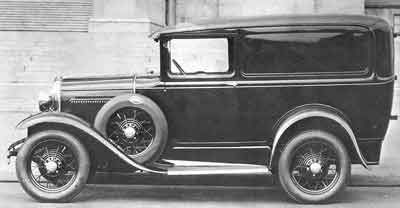
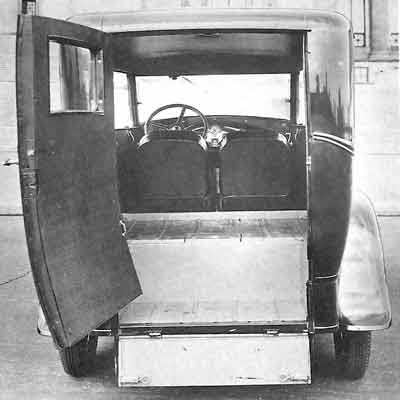
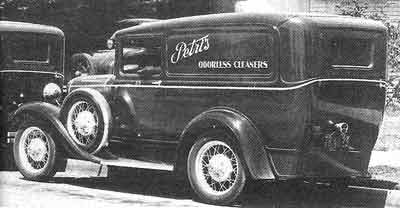
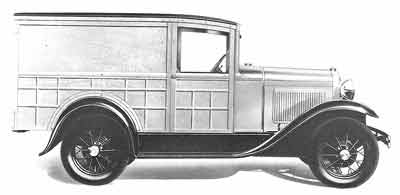
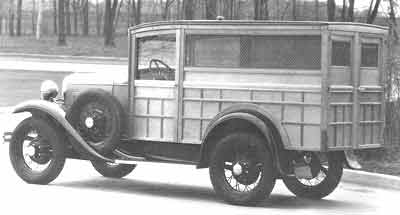
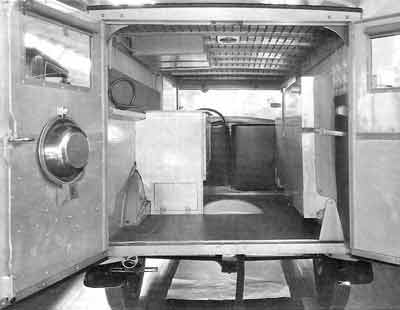
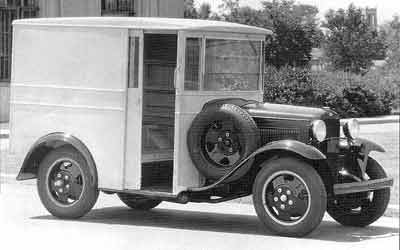
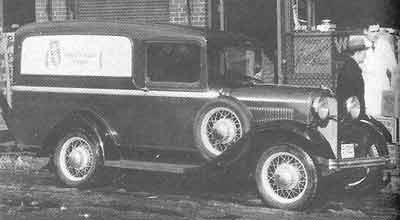
Body suppliers for the Ford Model A are far better known and documented. In addition to its commercial body offerings for the new ½ ton Model A chassis, Ford created an even more ambitious body program for the new AA 1½ ton chassis using many of the firms who had made a name for themselves supplying aftermarket bodies for the Model T and TT. During the late twenties and early thirties, the majority of Briggs output went to the Ford Motor Co. whose purchasing manager, A.M. Wibel, was one of the most feared men in Detroit. He required that all of Ford’s supplier make their books available to Ford accountants, and went so far as to dictate who much profit would be made by each supplier, frequently holding competitions between competitors to see who could produce a specific part at the lowest possible price. Ralph Roberts recalled: "Briggs operated with Ford without a contract, on 'Open Book,' which was a complete breakdown of materials and labor in minutes and fractions for each operation. This was in a constant state of flux due to engineering and specifications changes. To this basic cost was added overhead and 'profit,' always subject to debate." For example in 1929, both Briggs and Murray supplied Ford with identical Model 155 town sedan bodies. The Murray body cost Ford $237.98 while the Briggs body cost eight dollars less, $229.71. The amount of profit allowed by Ford was typically ten percent. So to an outside observer it appears that Briggs made a $23 profit on every Model 155 town sedan body sold to Ford. Unfortunately for Ford’s suppliers, they had to pay for their labor, overhead, capital expenses and stockholder dividends out of their 10% “profit”. Another “debate” involved whether Brigg’s should buy its own steel. While going over Briggs’ “Open Books”, Ford’s purchasing director, A.M. Wibel discovered that they had been marking up the price of the raw steel in addition to getting their normal 10% profit on the finished bodies. From that moment on Ford bought all of Brigg’s steel, and expanded the Ford buying program to a number of other suppliers as well. Just as Ford was ramping up for the introduction of the Model A, a huge fire leveled Briggs’ Harper Ave. factory, leaving them with little to no space to manufacture the thousands of bodies they had hoped to sell to Ford. Since their other three plants - Mack Ave., Meldrum Ave, and Vernor Highway – were busy with other projects, a deal was struck with Ford where Briggs leased the 1.64 million sq. ft. Highland Park Model T plant which had been mothballed following the end of Model T production. Briggs signed a five-year renewable lease at $800,000 per year. Remarkably, the lease did not prohibit them from manufacturing bodies for other auto manufacturers, and for many years Briggs built Chrysler bodies inside a portion of the huge plant. Briggs later leased space in Ford’s Cleveland, Ohio assembly plant where they built fordor Model A bodies which were shipped to Ford’s eastern US assembly plants. Briggs also supplied legacy body parts for Fords Model T throughout the 1930s. Ford built most of their own production bodies for the Model A, however both Briggs and Murray were their largest outside suppliers of complete bodies, producing all of Ford’s Model 155 Town Sedans and Model 165 Fordor Sedans. Four Door Model A body style suffix's indicate who made the body. An A indicates a 1928-1929 Murray body, B indicates a 1928-1929 Briggs body, C indicates 1930-1931 (early) Murray body, and D indicates 1930-1931 (early). Budd Mfg., Hayes Body Co. and Midland Steel Corp. all supplied Model A stampings and steel sub-assemblies and later on Budd built complete truck cabs and van bodies as well. Briggs supplied the Type 135A taxicab bodies for the 1928-1930 Ford Model A. The body differed from regular 4-dr sedan's in that it included a rear compartment divider that included jump seats and a small storage compartment that extended in the space normally occupied by the front seat passenger. Ford's beautiful new Model A Type 295-A Town Car Delivery that was introduced in 1930 was also built by Briggs. Designed for exclusive shops and small parcel delivery services, it was loosely based on the Ford’s tudor sedan, and featured an open driver's compartment, coach lights, and stainless steel trim. Briggs also built another rare Ford commercial body, the 1931 Ford Model 66A Deluxe Pickup, the first swept-side pickup available, and the antecedent of the Ford Rancheros and Chevrolet El Caminos of the 1950s, 60s and 70s. First built exclusively for General Electric Co. refrigerator salesmen, Ford eventually offered the body to the public, although only 293 were produced. Available only in closed cab form, its side panels overlapped the rear cab pillars and were attached to the cab with carriage bolts. The box was topped off with chrome-plated brass rails giving an elegant look to this rare Model A, which was usually painted in white. A similar body was also built by Briggs for the larger 131½” wheelbase Model AA chassis. The Type 229-A Deluxe Express Body also included overlapping side panels and a swept express body that fit flush with the cab and could be equipped with an optional tailgate. The open rear compartment was 53.4” wide x 69.1” long x 22.5½” high and included an attractive stainless steel handrail on top of the bed rails. The Type 229-A was also marketed as a Service Car and could be outfitted with a built-in tool chest and Marquette Mfg. wrecker hoist making an ideal automobile service truck for car dealerships and larger garages. Although the slow-selling Type 229-A did not reappear in the 1932 Ford commercial truck catalog, leftover bodies were available by special order into 1934. One of the first commercial bodies introduced for the new Model A were 9- and 14-passenger bus bodies that were likely supplied to Ford by the Union City Body Co. Dimensions of the 14-passenger prototype were 50” wide x 92” long x 51” high. The steel-framed body was topped off with a nitrite-coated (rubberized) fabric top and fitted with longitudinal fold-away seats. Passengers entered the vehicle through a right front door with integral folding step and an emergency exit was provided by a center-mounted rear door. Although they were introduced in late 1928, the buses didn’t become a standard Ford commercial offering until late 1930 when Ford introduced the 157” long wheelbase Model AA chassis. Union City supplied the coachwork for the Type 330-A, which was available in versions for school and city service. Ford became an increasingly important customer for Budd as the twenties progressed. Budd built most of Ford's new line of factory commercial Model T and TT bodies that were introduced in 1924. When the new model A was brought out in 1928, Budd was called upon to provide the factory panel truck bodies for the Model A and Model AA delivery vans as well as the metal beds for model A Pickup Trucks. 1928 Budd panel van bodies were available in two lengths, a 57" long cargo compartment for the short wheelbase model, and a 93" compartment for long-wheelbase Model A’s and AA’s. Budd built the bodies for Ford's new Model A Deluxe Delivery Car introduced in 1930. Although it looked similar to a Tudor Sedan, the Delivery Car featured a totally different body that featured a slightly higher roof, solid rear quarters and a large rear cargo door. Among the most popular new commercial bodies offered for the new 103 ½” wheelbase Model A was the Type 79-A Panel Truck, which was manufactured for Ford by Budd. For 1930 Ford elected to replace the 79-A with updated coachwork produced by Murray. The new body, the Type 79-B, was available with stainless steel headlamps and radiator shell in place of the standard body-colored units. The same bodies were also available in Deluxe form as the Type 130-A (Budd-built) and 130-B (Murray-built). Similar bodies were available on the 131 ½” Model AA chassis, the Budd-built 85A Panel Truck, and the Murray-built 85B which replaced it in late 1930. The Type 225-A Drop-Floor Delivery, a variation of the Murray-built 130B Deluxe Delivery, was introduced in May of 1931. Developed by Ford’s Chicago branch in response to customer requests, the rearmost portion of the Type 225-A’s cargo floor was modified so that it dropped down about 12” just behind the rear hub providing a two-level cargo hold providing almost curb-height loading for heavy objects. The extra-long cargo doors of the 225-A necessitated the removal of the rear bumper and in practice the vulnerable rear end was easily damaged with only 89 examples – 77 1931 models and 12 1932 models of the $560 vehicle were produced. Pictures exist of a few 225-A’s that were built using Briggs’ Type 300-A Deluxe Panel which debuted in 1931. On the 131½” wheelbase Model AA chassis, an all-new Deluxe Delivery body became available starting in early 1931. Built by Briggs, the Type 300-A featured more aerodynamic styling as well as substantially increased cargo-carrying capacity over the significantly smaller Type 130A/130B Deluxe Delivery bodies found on the Model A chassis. The 300-A featured a stainless steel cowl molding, radiator shell and headlamp buckets. Also included were chrome-plated windshield wipers, rear-view mirrors and bumpers - front and rear. Special interior appointments included leather seating, faux leather headliner and a Masonite-lined rear cargo compartment. Optional equipment included a roof vent, steel-spoke wheels and a drop-down tailgate with half-height barn doors at the top. A number of derivatives of the Type 300-A Deluxe Panel were made available soon after its February, 1931 debut. Among them was the Type 270-A Funeral Service Car which was available with or without side windows with prices starting at $1550. The rear casket compartment measured 54” wide x 102” long x 55” high. Standard equipment included casket rollers, side window covers, a removable flower tray, black leather seats, stainless steel trim and cowl lights as well as chrome bumpers front and rear. Although pictures exist of a disc-wheeled prototype, most of the 17 Type 270-A’s known to have been built featured steel-spoke wheels. Much more popular (and more expensive) was the Type 275-A Funeral Coach, priced at $1900. Its body was a specially constructed four-door derivative of the Type 300-A. Standard equipment included: casket rollers, rear compartment window curtains, removable center pillars for side-servicing and green mohair upholstery. A total of 96 Type 275-A’s were built including three with a combination Ambulance option which was offered at $1950. Introduced at the same time as the Funeral Service vehicles was the 1931 Ford Type 280-A ambulance. Using the same Briggs-sourced side-door-equipped body shell as the Type 275-A funeral car, the Triplex safety glass-quipped $1700 dedicated ambulance included a glass partition, 2 attendant’s seats and a white lacquered rear compartment with built-in dome lights, heater and fan. Emergency equipment consisted of a medicine chest, folding stretcher, spring-equipped cot, fixed bed with two mattresses, rubberized curtains and folding rear steps. The Ford Motor Company archives reveal that not all of the 84 Type 280-A ambulances were sold for transporting the injured. One 1931 Type 280-A was used by mid-west bandleader Red Wilson and his Zenith Rhythm Kings as a tour bus. An additional Deluxe Panel truck derivative was the Type 285-A Deluxe Police Patrol, a 2-door body type priced at $1250. Its companion, the $975 Type 290-A Standard Police Patrol was adapted from an entirely different body shell, the Murray-built Type 85-B Panel Delivery. Proctor-Keefe also re-worked Briggs-built Ford Type 300-A Deluxe Panel Truck bodies for specialized uses. One popular conversion was their small Briggs-based insulated bodies that included locker-type doors for the transport of meat and other perishables. They offered special light-weight oversized van bodies as well as a line of municipal bodies which included ambulances, hearses, service cars and small buses. It is thought by a number of historians that Proctor-Keefe is responsible for modifying, painting and trimming Ford's Type 275-A, 280-A, 285-A and 290-A professional cars. They look identical to Proctor-Keefe's corresponding offerings and both firm's bodies were clearly built using Briggs Type 300-A body shells. Ford finally introduced a long wheelbase Model AA chassis on June 9, 1930. The 157" chassis eliminated the need for aftermarket slip-on frames or cut-frame extensions and proved popular with freight haulers and movers. Ford contracted with Proctor-Keefe to supply them with a 75” wide x 132” long x 78” high furniture body with a drop-down tailgate with half-height barn doors for the new chassis, but the scheme never reached fruition. Consequently the manufacture and marketing of the stillborn Type 230-A Furniture Body was relegated to Proctor-Keefe, who delivered a fleet of the attractive vehicles to J.L. Hudson, the Detroit Department Store. The Type 210-A Large Panel Body was the first factory offering for Ford’s long wheelbase 1½-ton truck. The cargo area of the Murray-built body measured 57½” wide x 136” long x 60” high and was available with a drop-down tailgate with half-height barn doors. What follows is a chart of OEM Ford Model A & AA Body Suppliers with approximate dates each firm worked with Ford.
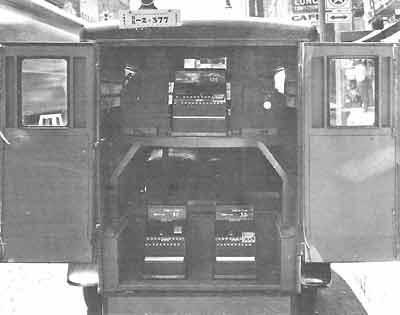
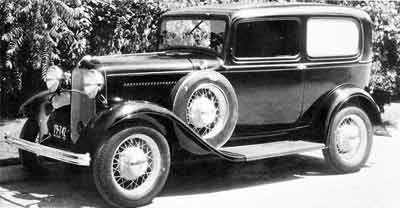
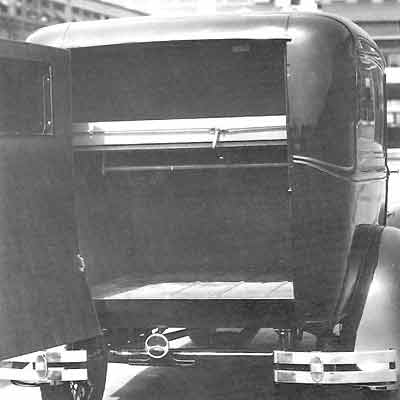
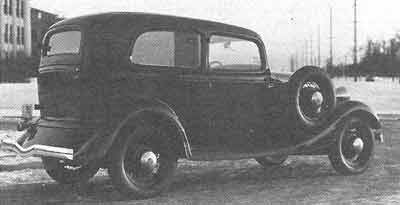
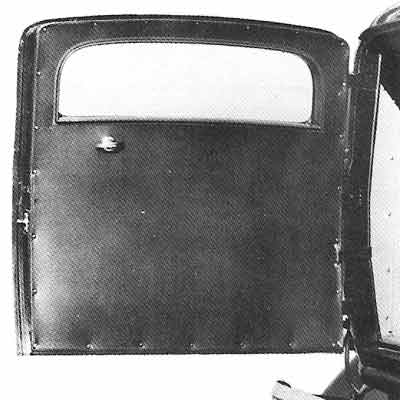
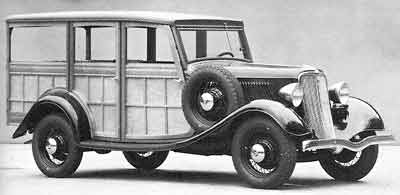
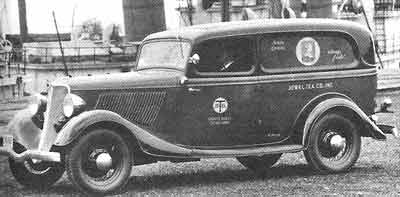
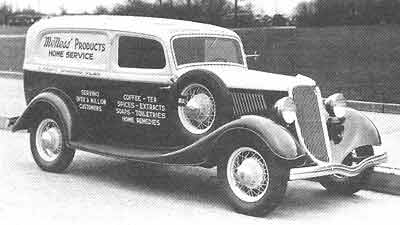
A new line of Ford closed truck cabs were introduced in 1932 on the new model B and BB chassis, and all were built by Budd. Murray supplied the convertible cab, which was sold in limited numbers. Budd also supplied Ford with the new 1932 B79 Panel Delivery body. It featured a new arched side panel treatment and a gently sloping French roof that ended in a visor-less windshield. As the new van was available in two wheelbases, Budd produced two different bodies, one for the short 131 1/2" wheelbase chassis and a longer version for the 157" chassis. A side access door could be ordered on either body at additional cost. Budd became Ford’s largest supplier of truck bodies, and continued to supply them with bodies and stampings up until the start of World War II. Ford introduced a totally new line of commercial chassis in 1932. Now available with the new flathead V-8 and designated Model B or BB the new double drop chassis featured better springs, a new low-slung appearance and the possibility of substantially more power. For 1932 Ford no longer had its Town Car or Special Delivery models, but it did have one remaining fancy panel truck, the Deluxe Panel Delivery. Produced under contract by Budd, both the Deluxe and Standard panels shared the same model designation, Type B-79. Seating consisted of a two folding bucket seats covered in dark brown faux leather. The passenger seat was easily removed and could be mounted backwards if desired. The maple cargo floor was fitted with metal skid rails and the walls covered with Masonite. Many of Ford's commercial vehicles remained unchanged for the 1933 model year however a number of variations appeared, some riding on the 1/2 ton 112" wheelbase Model 46 chassis. Several others rode on the all-new Model 40 106" passenger car chassis that was introduced in February of 1933. In addition to the Model 46 Cab and chassis, Ford also offered the Model 46 Driveaway Chassis, a body-less cowl and chassis used by bus and standup delivery truck manufacturers. Although Briggs supplied Ford with an all new sedan-delivery body (Type 46-850) for 1933, they offered their own budget-priced $86.50 delivery conversion based on a standard Type 40-700 Tudor Sedan. National Cash Register ordered a fleet of the Briggs-modified Tudor deliveries which featured a 36" wide x 35" high rear cargo door, a relocated spare (to the right front fender) and replacement of the split rear bumper with a stock Ford front bumper. Funeral car and ambulance body builders began offering less costly vehicles as the Depression wore on. A.J. Miller, Siebert and the Automobile Coach Corp. began offering a budget-priced line of Ford V-8 coaches base on stretched versions of Ford’s Model 40 commercial chassis starting in 1932. A.J Miller’s Ford coaches were marketed under the B. Franklin moniker. As did Siebert, Miller utilized W.G. Reeves cut-frame extensions which were offered for both Ford and Chevrolet chassis in both 24” and 36” versions. In 1933 Ford sold the US Government over 300 1-1/2 ton Type BB-85 panel trucks outfitted as ambulances to be used by Army at their Forest Service camps. Budd supplied the bodywork for the Panel Delivery through 1934 while Briggs’ LeBaron subsidiary built all of Ford’s Sedan Delivery bodies from 1932-1934. For 1933 Briggs supplied Ford with a brand new sedan delivery body, the Type 46-850. No longer based on the Tudor sedan, the new body had a longer wheelbase with a corresponding longer rear quarter panel, a large 36" square rear door plus the narrower front doors of the Fordor sedan. The rear compartment's side windows were blanked-in, and the resulting cargo area paneled in Masonite. The cargo area was also accessible from the interior via two folding jump seats. LeBaron offered their own version of the car which included glass windows instead of the blanked in rear quarters of the 46-850. It featured a removable rear seat and could quickly be converted back to a sedan delivery by installation of two body-colored window inserts. With the new double drop 112" frame, either version of the 1933 Sedan Delivery was one of the nicest-looking sedan deliveries of all time and when equipped with the optional V-8, remains a rare and highly valued collector's item. Following a long and costly 1933 strike at Briggs, Ford began taking steps to phase out their outside body builders, and Briggs was slowly cut out of the picture. As a result, Briggs strengthened their ties with Chrysler and Packard as the thirties wore on. As the 1930s wore on, Briggs built more and more bodies for Chrysler and fewer and fewer bodies for Ford. According to records in the Ford Archives, in 1936, Briggs supplied them with 66% of their outside bodies and their most popular style was the Deluxe Fordor sedan. That figure had fallen to 27% in 1939, and most of those were for either Lincoln or Mercury. Ford built their own Tudor and Fordor sedans, Budd built most of Ford’s commercial bodies and Murray supplied Ford with limited production models such as the coupes, convertibles and station wagons. Briggs was relegated to providing both complete bodies and sheet-metal subassemblies for the new Mercury and complete bodies for Lincoln’s Zephyr. Briggs also supplied Ford with most of their legacy sheet metal replacement panels. Between 1932 and 1934 the Mingel Co. of Louisville, Kentucky supplied the wood for Ford’s V-8 Station Wagons and both Murray and Briggs assembled the bodies which were then shipped to a regional Ford assembly plant to be mated to an awaiting chassis. The contract with Mingel ran out in 1934 and the woodwork for all succeeding woodies came from Ford’s Iron Mountain facility. 1935-36 station wagons were assembled by Briggs & Murray, while 1937-1941 wagons were built by Briggs, Murray and Raulang.\ For the 1935 model year Briggs/LeBaron continued to build their own convertible sedan delivery selecting the new slope-backed Type 48-700 Tudor Sedan as the donor. As before the National Cash Register Company remained a dedicated user of the limited-production LeBaron-built automobile. Although Ford did not build a vehicle to compete against the new 1/2-ton Chevrolet Carryall/Suburban, Proctor-Keefe offered a Ford Type 67-820/77-820-based competitor starting in 1936 which was available with a choice of window and rear seating options. The all-steel "Utility Wagon" included novel rear doors whose bottom half folded downward as in a regular station wagon, but the top half featured a pair of barn doors with windows. During 1935-1937, Ford's main outside body supplier, Murray, experienced three profitable years, but suffered another devastating loss in 1938, when sales of new cars lagged far behind industry expectations. In 1936 Ford had purchased only 36% of their outside bodies from Murray, but by 1939 that percentage jumped to 49%. Unfortunately, 1939 was the last year that complete bodies would be built for Ford by Murray. However, Murray was given the contract to supply Ford Motor Co.’s new mid-priced Mercury subsidiary with bodywork for its first few years. Following the war, Murray resumed to their pre-war activities supplying Ford with sheet metal stampings and an occasional partially completed auto body. Mercury (1946) and Ford’s (1946-47) limited production Sportsman (s) were assembled at Murray. What follows is a chart of OEM Ford V-8 body styles 1932-1940
© 2004 Mark Theobald - Coachbuilt.com
|
|||||||||||||||||||||||||||||||||||||||||||||||||||||||||||||||||||||||||||||||||||||||||||||||||||||||||||||||||||||||||||||||||||||||||||||||||||||||||||||||||||||||||||||||||||||||||||||||||||||||||||||||||||||||||||||||||||||||||||||||||||||||||||||||||||||||||||||||||||||||||||||||||||||||||||||||||||||||||||||||||||||||||||||||||||||||||||||||||||||||||||||||||||||||||||||||||||||||||||||||||||||||||||||||||||||||||||||||||||||||||||||||||||||||||||||||||||||||||||||||||||||||||||||||||||||||||||||||||||||||||||||||||||||||||||||||||||||||||||||||||||||||||||||||||||||||||||||||||||||||||||||||||||||||||||||||||||||||||||||||||||||||||||||||||||||||||||||||||||||||||||||||||||||||||||||||||||||||||||||||||||||||||||||||||||||||||||||||||||||||||||||||||||||||||||||||||||||||||||||||||||||||||||||||||||||||||||||||||||||||||||||||||||||||||||||||||||||||||||||||||||||||||||||||||||||||||||||||||||||||||||||||||||||||||||||||||||||||||||||||||||||||||||||||||||||||||||||||||||||||
|
|||||||||||||||||||||||||||||||||||||||||||||||||||||||||||||||||||||||||||||||||||||||||||||||||||||||||||||||||||||||||||||||||||||||||||||||||||||||||||||||||||||||||||||||||||||||||||||||||||||||||||||||||||||||||||||||||||||||||||||||||||||||||||||||||||||||||||||||||||||||||||||||||||||||||||||||||||||||||||||||||||||||||||||||||||||||||||||||||||||||||||||||||||||||||||||||||||||||||||||||||||||||||||||||||||||||||||||||||||||||||||||||||||||||||||||||||||||||||||||||||||||||||||||||||||||||||||||||||||||||||||||||||||||||||||||||||||||||||||||||||||||||||||||||||||||||||||||||||||||||||||||||||||||||||||||||||||||||||||||||||||||||||||||||||||||||||||||||||||||||||||||||||||||||||||||||||||||||||||||||||||||||||||||||||||||||||||||||||||||||||||||||||||||||||||||||||||||||||||||||||||||||||||||||||||||||||||||||||||||||||||||||||||||||||||||||||||||||||||||||||||||||||||||||||||||||||||||||||||||||||||||||||||||||||||||||||||||||||||||||||||||||||||||||||||||||||||||||||||||||
|
|||||||||||||||||||||||||||||||||||||||||||||||||||||||||||||||||||||||||||||||||||||||||||||||||||||||||||||||||||||||||||||||||||||||||||||||||||||||||||||||||||||||||||||||||||||||||||||||||||||||||||||||||||||||||||||||||||||||||||||||||||||||||||||||||||||||||||||||||||||||||||||||||||||||||||||||||||||||||||||||||||||||||||||||||||||||||||||||||||||||||||||||||||||||||||||||||||||||||||||||||||||||||||||||||||||||||||||||||||||||||||||||||||||||||||||||||||||||||||||||||||||||||||||||||||||||||||||||||||||||||||||||||||||||||||||||||||||||||||||||||||||||||||||||||||||||||||||||||||||||||||||||||||||||||||||||||||||||||||||||||||||||||||||||||||||||||||||||||||||||||||||||||||||||||||||||||||||||||||||||||||||||||||||||||||||||||||||||||||||||||||||||||||||||||||||||||||||||||||||||||||||||||||||||||||||||||||||||||||||||||||||||||||||||||||||||||||||||||||||||||||||||||||||||||||||||||||||||||||||||||||||||||||||||||||||||||||||||||||||||||||||||||||||||||||||||||||||||||||||||
|
|||||||||||||||||||||||||||||||||||||||||||||||||||||||||||||||||||||||||||||||||||||||||||||||||||||||||||||||||||||||||||||||||||||||||||||||||||||||||||||||||||||||||||||||||||||||||||||||||||||||||||||||||||||||||||||||||||||||||||||||||||||||||||||||||||||||||||||||||||||||||||||||||||||||||||||||||||||||||||||||||||||||||||||||||||||||||||||||||||||||||||||||||||||||||||||||||||||||||||||||||||||||||||||||||||||||||||||||||||||||||||||||||||||||||||||||||||||||||||||||||||||||||||||||||||||||||||||||||||||||||||||||||||||||||||||||||||||||||||||||||||||||||||||||||||||||||||||||||||||||||||||||||||||||||||||||||||||||||||||||||||||||||||||||||||||||||||||||||||||||||||||||||||||||||||||||||||||||||||||||||||||||||||||||||||||||||||||||||||||||||||||||||||||||||||||||||||||||||||||||||||||||||||||||||||||||||||||||||||||||||||||||||||||||||||||||||||||||||||||||||||||||||||||||||||||||||||||||||||||||||||||||||||||||||||||||||||||||||||||||||||||||||||||||||||||||||||||||||||||||
|
|||||||||||||||||||||||||||||||||||||||||||||||||||||||||||||||||||||||||||||||||||||||||||||||||||||||||||||||||||||||||||||||||||||||||||||||||||||||||||||||||||||||||||||||||||||||||||||||||||||||||||||||||||||||||||||||||||||||||||||||||||||||||||||||||||||||||||||||||||||||||||||||||||||||||||||||||||||||||||||||||||||||||||||||||||||||||||||||||||||||||||||||||||||||||||||||||||||||||||||||||||||||||||||||||||||||||||||||||||||||||||||||||||||||||||||||||||||||||||||||||||||||||||||||||||||||||||||||||||||||||||||||||||||||||||||||||||||||||||||||||||||||||||||||||||||||||||||||||||||||||||||||||||||||||||||||||||||||||||||||||||||||||||||||||||||||||||||||||||||||||||||||||||||||||||||||||||||||||||||||||||||||||||||||||||||||||||||||||||||||||||||||||||||||||||||||||||||||||||||||||||||||||||||||||||||||||||||||||||||||||||||||||||||||||||||||||||||||||||||||||||||||||||||||||||||||||||||||||||||||||||||||||||||||||||||||||||||||||||||||||||||||||||||||||||||||||||||||||||||||
|
|||||||||||||||||||||||||||||||||||||||||||||||||||||||||||||||||||||||||||||||||||||||||||||||||||||||||||||||||||||||||||||||||||||||||||||||||||||||||||||||||||||||||||||||||||||||||||||||||||||||||||||||||||||||||||||||||||||||||||||||||||||||||||||||||||||||||||||||||||||||||||||||||||||||||||||||||||||||||||||||||||||||||||||||||||||||||||||||||||||||||||||||||||||||||||||||||||||||||||||||||||||||||||||||||||||||||||||||||||||||||||||||||||||||||||||||||||||||||||||||||||||||||||||||||||||||||||||||||||||||||||||||||||||||||||||||||||||||||||||||||||||||||||||||||||||||||||||||||||||||||||||||||||||||||||||||||||||||||||||||||||||||||||||||||||||||||||||||||||||||||||||||||||||||||||||||||||||||||||||||||||||||||||||||||||||||||||||||||||||||||||||||||||||||||||||||||||||||||||||||||||||||||||||||||||||||||||||||||||||||||||||||||||||||||||||||||||||||||||||||||||||||||||||||||||||||||||||||||||||||||||||||||||||||||||||||||||||||||||||||||||||||||||||||||||||||||||||||||||||||
|
|
|||||||||||||||||||||||||||||||||||||||||||||||||||||||||||||||||||||||||||||||||||||||||||||||||||||||||||||||||||||||||||||||||||||||||||||||||||||||||||||||||||||||||||||||||||||||||||||||||||||||||||||||||||||||||||||||||||||||||||||||||||||||||||||||||||||||||||||||||||||||||||||||||||||||||||||||||||||||||||||||||||||||||||||||||||||||||||||||||||||||||||||||||||||||||||||||||||||||||||||||||||||||||||||||||||||||||||||||||||||||||||||||||||||||||||||||||||||||||||||||||||||||||||||||||||||||||||||||||||||||||||||||||||||||||||||||||||||||||||||||||||||||||||||||||||||||||||||||||||||||||||||||||||||||||||||||||||||||||||||||||||||||||||||||||||||||||||||||||||||||||||||||||||||||||||||||||||||||||||||||||||||||||||||||||||||||||||||||||||||||||||||||||||||||||||||||||||||||||||||||||||||||||||||||||||||||||||||||||||||||||||||||||||||||||||||||||||||||||||||||||||||||||||||||||||||||||||||||||||||||||||||||||||||||||||||||||||||||||||||||||||||||||||||||||||||||||||||||||||||||
|
|
|||||||||||||||||||||||||||||||||||||||||||||||||||||||||||||||||||||||||||||||||||||||||||||||||||||||||||||||||||||||||||||||||||||||||||||||||||||||||||||||||||||||||||||||||||||||||||||||||||||||||||||||||||||||||||||||||||||||||||||||||||||||||||||||||||||||||||||||||||||||||||||||||||||||||||||||||||||||||||||||||||||||||||||||||||||||||||||||||||||||||||||||||||||||||||||||||||||||||||||||||||||||||||||||||||||||||||||||||||||||||||||||||||||||||||||||||||||||||||||||||||||||||||||||||||||||||||||||||||||||||||||||||||||||||||||||||||||||||||||||||||||||||||||||||||||||||||||||||||||||||||||||||||||||||||||||||||||||||||||||||||||||||||||||||||||||||||||||||||||||||||||||||||||||||||||||||||||||||||||||||||||||||||||||||||||||||||||||||||||||||||||||||||||||||||||||||||||||||||||||||||||||||||||||||||||||||||||||||||||||||||||||||||||||||||||||||||||||||||||||||||||||||||||||||||||||||||||||||||||||||||||||||||||||||||||||||||||||||||||||||||||||||||||||||||||||||||||||||||||||
|
|
|||||||||||||||||||||||||||||||||||||||||||||||||||||||||||||||||||||||||||||||||||||||||||||||||||||||||||||||||||||||||||||||||||||||||||||||||||||||||||||||||||||||||||||||||||||||||||||||||||||||||||||||||||||||||||||||||||||||||||||||||||||||||||||||||||||||||||||||||||||||||||||||||||||||||||||||||||||||||||||||||||||||||||||||||||||||||||||||||||||||||||||||||||||||||||||||||||||||||||||||||||||||||||||||||||||||||||||||||||||||||||||||||||||||||||||||||||||||||||||||||||||||||||||||||||||||||||||||||||||||||||||||||||||||||||||||||||||||||||||||||||||||||||||||||||||||||||||||||||||||||||||||||||||||||||||||||||||||||||||||||||||||||||||||||||||||||||||||||||||||||||||||||||||||||||||||||||||||||||||||||||||||||||||||||||||||||||||||||||||||||||||||||||||||||||||||||||||||||||||||||||||||||||||||||||||||||||||||||||||||||||||||||||||||||||||||||||||||||||||||||||||||||||||||||||||||||||||||||||||||||||||||||||||||||||||||||||||||||||||||||||||||||||||||||||||||||||||||||||||||
|
|||||||||||||||||||||||||||||||||||||||||||||||||||||||||||||||||||||||||||||||||||||||||||||||||||||||||||||||||||||||||||||||||||||||||||||||||||||||||||||||||||||||||||||||||||||||||||||||||||||||||||||||||||||||||||||||||||||||||||||||||||||||||||||||||||||||||||||||||||||||||||||||||||||||||||||||||||||||||||||||||||||||||||||||||||||||||||||||||||||||||||||||||||||||||||||||||||||||||||||||||||||||||||||||||||||||||||||||||||||||||||||||||||||||||||||||||||||||||||||||||||||||||||||||||||||||||||||||||||||||||||||||||||||||||||||||||||||||||||||||||||||||||||||||||||||||||||||||||||||||||||||||||||||||||||||||||||||||||||||||||||||||||||||||||||||||||||||||||||||||||||||||||||||||||||||||||||||||||||||||||||||||||||||||||||||||||||||||||||||||||||||||||||||||||||||||||||||||||||||||||||||||||||||||||||||||||||||||||||||||||||||||||||||||||||||||||||||||||||||||||||||||||||||||||||||||||||||||||||||||||||||||||||||||||||||||||||||||||||||||||||||||||||||||||||||||||||||||||||||||
|
|
|||||||||||||||||||||||||||||||||||||||||||||||||||||||||||||||||||||||||||||||||||||||||||||||||||||||||||||||||||||||||||||||||||||||||||||||||||||||||||||||||||||||||||||||||||||||||||||||||||||||||||||||||||||||||||||||||||||||||||||||||||||||||||||||||||||||||||||||||||||||||||||||||||||||||||||||||||||||||||||||||||||||||||||||||||||||||||||||||||||||||||||||||||||||||||||||||||||||||||||||||||||||||||||||||||||||||||||||||||||||||||||||||||||||||||||||||||||||||||||||||||||||||||||||||||||||||||||||||||||||||||||||||||||||||||||||||||||||||||||||||||||||||||||||||||||||||||||||||||||||||||||||||||||||||||||||||||||||||||||||||||||||||||||||||||||||||||||||||||||||||||||||||||||||||||||||||||||||||||||||||||||||||||||||||||||||||||||||||||||||||||||||||||||||||||||||||||||||||||||||||||||||||||||||||||||||||||||||||||||||||||||||||||||||||||||||||||||||||||||||||||||||||||||||||||||||||||||||||||||||||||||||||||||||||||||||||||||||||||||||||||||||||||||||||||||||||||||||||||||||
|
|
|||||||||||||||||||||||||||||||||||||||||||||||||||||||||||||||||||||||||||||||||||||||||||||||||||||||||||||||||||||||||||||||||||||||||||||||||||||||||||||||||||||||||||||||||||||||||||||||||||||||||||||||||||||||||||||||||||||||||||||||||||||||||||||||||||||||||||||||||||||||||||||||||||||||||||||||||||||||||||||||||||||||||||||||||||||||||||||||||||||||||||||||||||||||||||||||||||||||||||||||||||||||||||||||||||||||||||||||||||||||||||||||||||||||||||||||||||||||||||||||||||||||||||||||||||||||||||||||||||||||||||||||||||||||||||||||||||||||||||||||||||||||||||||||||||||||||||||||||||||||||||||||||||||||||||||||||||||||||||||||||||||||||||||||||||||||||||||||||||||||||||||||||||||||||||||||||||||||||||||||||||||||||||||||||||||||||||||||||||||||||||||||||||||||||||||||||||||||||||||||||||||||||||||||||||||||||||||||||||||||||||||||||||||||||||||||||||||||||||||||||||||||||||||||||||||||||||||||||||||||||||||||||||||||||||||||||||||||||||||||||||||||||||||||||||||||||||||||||||||||
|
|
|||||||||||||||||||||||||||||||||||||||||||||||||||||||||||||||||||||||||||||||||||||||||||||||||||||||||||||||||||||||||||||||||||||||||||||||||||||||||||||||||||||||||||||||||||||||||||||||||||||||||||||||||||||||||||||||||||||||||||||||||||||||||||||||||||||||||||||||||||||||||||||||||||||||||||||||||||||||||||||||||||||||||||||||||||||||||||||||||||||||||||||||||||||||||||||||||||||||||||||||||||||||||||||||||||||||||||||||||||||||||||||||||||||||||||||||||||||||||||||||||||||||||||||||||||||||||||||||||||||||||||||||||||||||||||||||||||||||||||||||||||||||||||||||||||||||||||||||||||||||||||||||||||||||||||||||||||||||||||||||||||||||||||||||||||||||||||||||||||||||||||||||||||||||||||||||||||||||||||||||||||||||||||||||||||||||||||||||||||||||||||||||||||||||||||||||||||||||||||||||||||||||||||||||||||||||||||||||||||||||||||||||||||||||||||||||||||||||||||||||||||||||||||||||||||||||||||||||||||||||||||||||||||||||||||||||||||||||||||||||||||||||||||||||||||||||||||||||||||||||
|
© 2004-2012 Coachbuilt.com, Inc.|books|disclaimer|index|privacy |
|||||||||||||||||||||||||||||||||||||||||||||||||||||||||||||||||||||||||||||||||||||||||||||||||||||||||||||||||||||||||||||||||||||||||||||||||||||||||||||||||||||||||||||||||||||||||||||||||||||||||||||||||||||||||||||||||||||||||||||||||||||||||||||||||||||||||||||||||||||||||||||||||||||||||||||||||||||||||||||||||||||||||||||||||||||||||||||||||||||||||||||||||||||||||||||||||||||||||||||||||||||||||||||||||||||||||||||||||||||||||||||||||||||||||||||||||||||||||||||||||||||||||||||||||||||||||||||||||||||||||||||||||||||||||||||||||||||||||||||||||||||||||||||||||||||||||||||||||||||||||||||||||||||||||||||||||||||||||||||||||||||||||||||||||||||||||||||||||||||||||||||||||||||||||||||||||||||||||||||||||||||||||||||||||||||||||||||||||||||||||||||||||||||||||||||||||||||||||||||||||||||||||||||||||||||||||||||||||||||||||||||||||||||||||||||||||||||||||||||||||||||||||||||||||||||||||||||||||||||||||||||||||||||||||||||||||||||||||||||||||||||||||||||||||||||||||||||||||||||||