|
|
|
 |
||||||||||
|
||||||||||
|
|
||||||||||
|
||||||||||
|
||||||||||
|
|
||||||||||
|
|
|||||||||
|
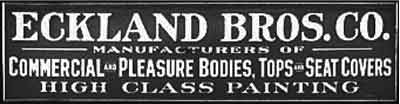
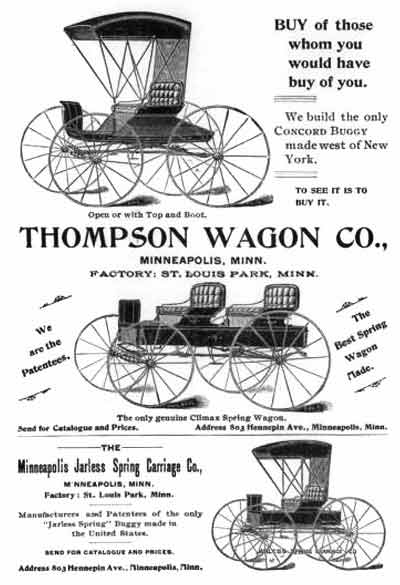
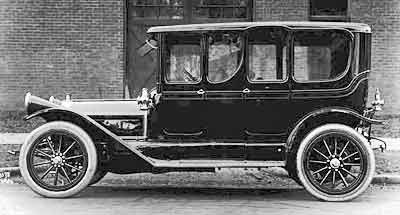
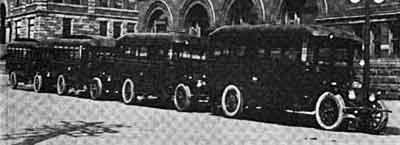
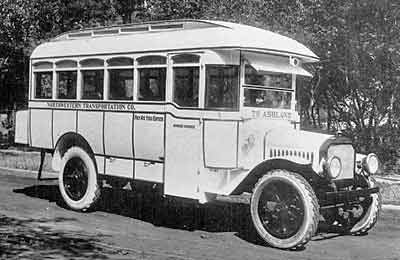
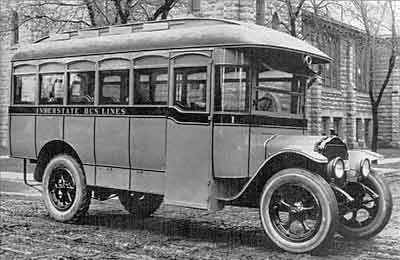
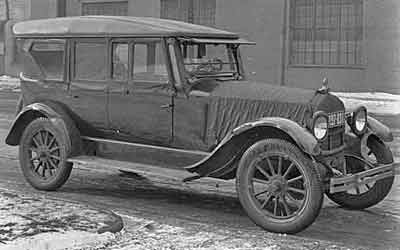
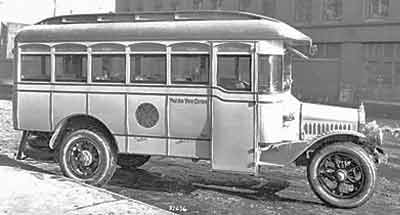
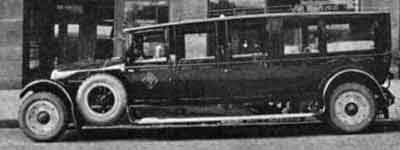
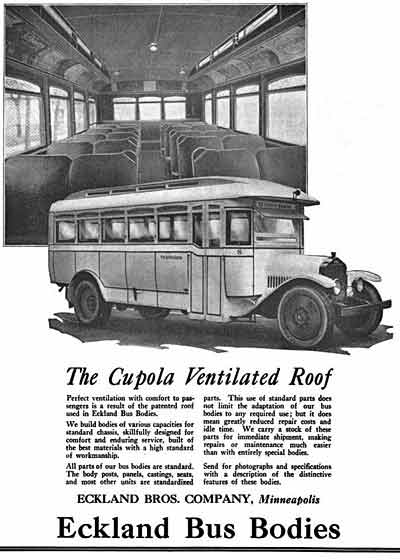
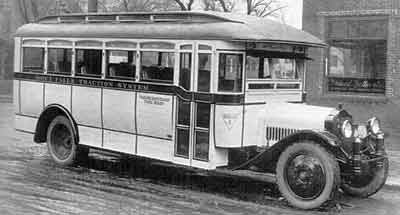
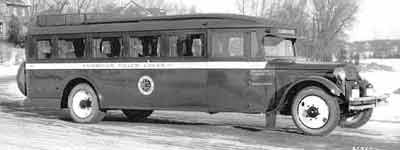
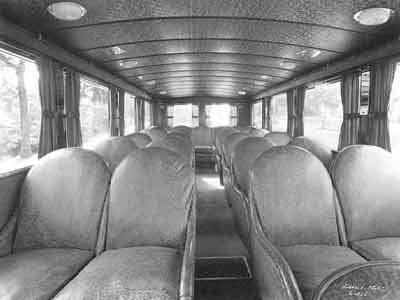
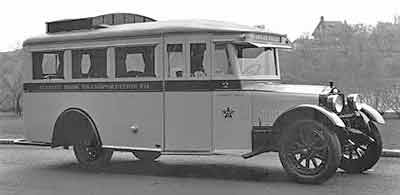
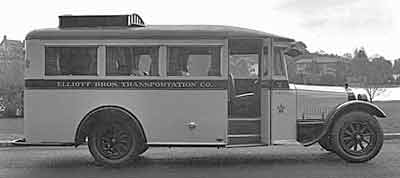
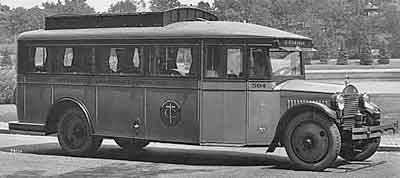
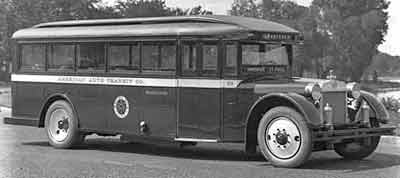
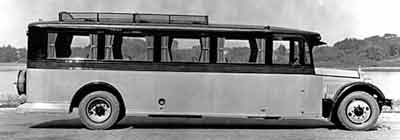
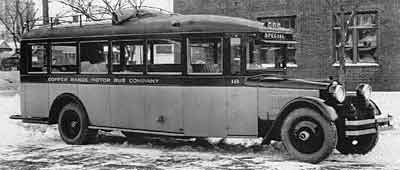
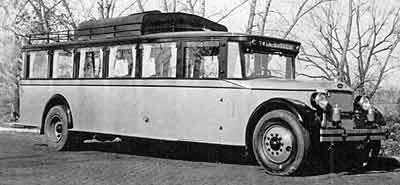
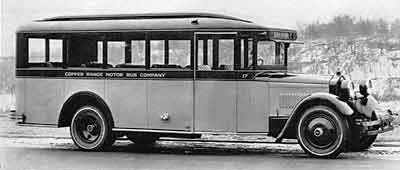
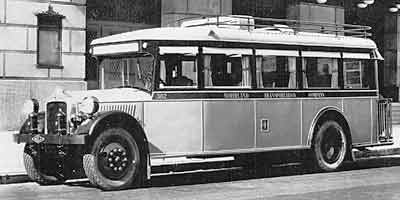
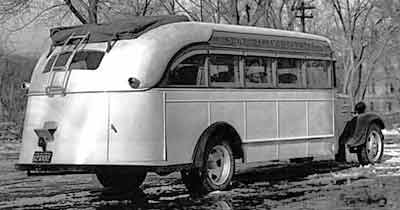
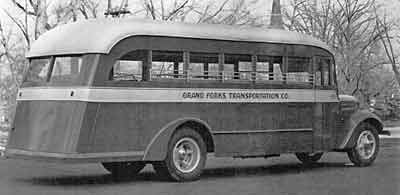
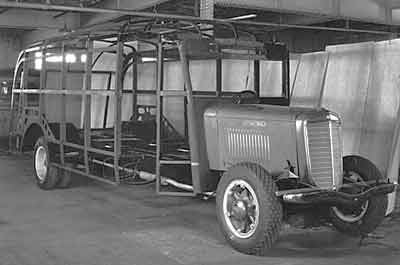
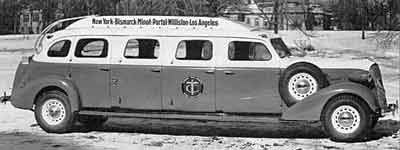
Minneapolis, Minnesota's Eckland Brothers, Charles J. and Peter S. Eckland, are remembered today for a series of bus bodies they produced for the Mesaba and Northland Transportation Co.'s, the forerunners of Greyhound. It is largely unknown that prior to that time they produced some beautiful custom coachwork on early automobile chassis and in the late thirties a popular line of travel trailers, as well as numerous commercial truck bodies and trailers. Charles J. and Peter S. Eckland were born in St. Louis Park village, Hennepin County, Minnesota to two Swedish immigrants, Charles J. and Hattie Louise (Johnson) Eckland (b. June1840 – d Apr. 1, 1928) Born and married in Sweden, the young couple emigrated to the United States in 1868 eventually locating to Minneapolis–St. Paul where he found work with one of the twin city's numerous carriage manufacturers. To the blessed union was born six children; Hilda C. Eckland (Fallon) (b. Aug. 1871) Hattie J. Eckland (Hunt) (b. Jan. 1874) Charles J. Eckland jr. (b. Mar. 1876 – d. Mar. 7, 1939) Peter S. Eckland (b. Sep. 5, 1879 – d. Sep. 2, 1973) Mary C. Eckland (b. Oct. 1883) Leonard G. Eckland (b. Jun. 1885-d. Nov. 22, 1965). Census information on the Eckland family is absent prior to the Minnesota State Census of 1895. By that late date the family's patriarch, Charles J. Eckland Sr., had passed away and the family was living in St. Louis Park, a suburb of Minneapolis located 4 miles southwest of the city center. The 1900 US Census states that Hilda, Hattie, Charles and Peter were all employed as carriage trimmers. Coincidentally two well-known carriage manufacturers, A.C. Thompson Wagon Co. and the Minneapolis Jarless Spring Carriage Co. were located in St Louis Park, so it's likely the family worked at one or both of those two plants. At the turn of the century Minneapolis/St Paul was the home of close to 100 carriage and wagon manufacturers, the largest being: Crisham & Winch, (South) Minneapolis Carriage Works, D.M. Sechler, J.L. Clarke, Schurmeier Wagon Co., Fuller & Johnson, Fish Bros. Mfg., Lenhart Wagon Co., J.H. Mahlor Carriage Co., Mitsch Wagon & Carriage Co. (Mitsch & Heck), Paul Mahle Wagon Co., A.C. Thompson and Geo. F. Thompson & Son. The Minneapolis Jarless Spring Carriage Company was founded by Minneapolis resident George B. Schoepf and incorporated on July 27, 1891 and capitalized for $50,000. The three story factory was financed by St. Louis Park's founder, T.B. Walker, who installed his son Gilbert M. Walker as a director. Schoepf had invented a spring for buggies and wagons, and manufactured his patented buggies and carriages at the plant into the early teens. Another Gilbert-controlled firm was the A.C. Thompson Wagon Co., which was as satellite branch of the firm's main Oshkosh, Wisconsin factory. Financed by T.B. Gilbert and incorporated on July 27, 1891, its officer included T.B. Walker's son Gilbert M. Walker, President; A.C. Walker's son George F. Thompson, Vice President and Manager; and A.M. Allen was Secretary and Treasurer. The factory employed 200 men in 1892, but burned down in 1893. George F. Thompson relocated to St. Paul after the fire and reorganized under his own name. In 1905 Charles J. and Peter S. Eckland established their own carriage works in downtown Minneapolis 2800 S. Lyndale Avenue, at the southwest corner of West 28th Street. The firm produced various commercial wagons and street cars, and they became well-known for their top-notch upholstery and finishing. The business must have been profitable as Peter S. Eckland was married on June 28, 1910 to Ida Stolp (b. Oct 7, 1887 – d. Sept. 1972). The brothers began accepting commissions for custom automobile coachwork sometime prior to 1910 and an existing photograph of a 1914 Pierce Arrow limousine reveals their coachwork was both innovative and attractive. They produced their first charabanc or bus body in 1912 and are credited with being the first firm to specialize in long wheelbase conversions of high-end touring cars. They would take a large automobile, such as a Packard or Pierce-Arrow, cut it in half at the B-pillar, then insert a 24" to 48" frame extension in-between the two halves. A center section containing two sets of doors would be built on top of the chassis filling the gap, after which two additional bend seats were installed in addition to an extra-long convertible top, creating a 12-passenger touring car. At that time northern Minnesota, Wisconsin and Michigan were experiencing a copper and iron mining boom which created a steadily increasing demand for buses. They equipped their vehicles with snap-in side curtains equipped with isinglass panels to help insulate the passengers from the elements, however it soon became obvious a more substantial permanent enclosure was required for use in the bitter cold which enveloped the mining region during half of the year. Their solution was to purchase stripped down cowl and chassis to which they affixed their own insulated streetcar-style coachwork, which created a totally enclosed passenger compartment. Just as in an enclosed inter-urbans and streetcars, ventilation was an issue, and the Eckland Bros. created a simple flow-through ventilation system that utilized an adjustable opening above the windshield that drew fresh air into closed passenger compartment that was sucked out at the rear via a set of screened louvers. An example of the firm's style buses can be seen in the September 1922 issue of Bus Transportation:
Eckland also supplied most of the bus bodies utilized by the Twin Cities Company in an around Minneapolis and St. Paul. The firm's bus operation was described in the August 1922 issue of Bus Transportation:
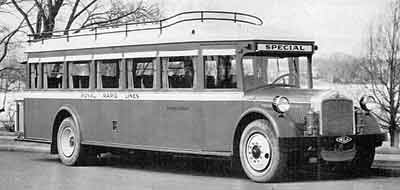
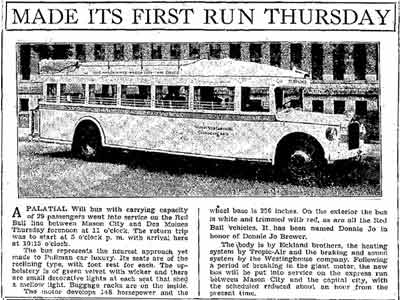
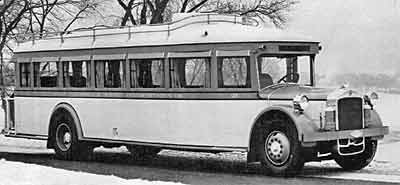
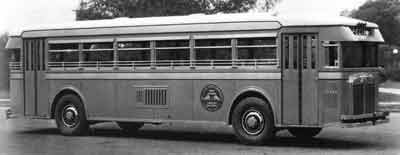
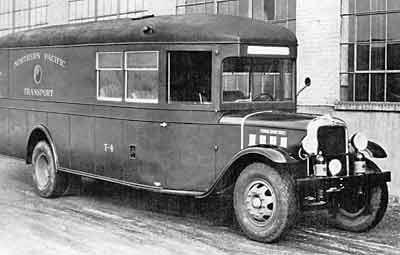
In the late twenties the Ecklands teamed up with Minneapolis commercial chassis builder Carl H. Will, to produce buses for the Mesaba and Northland Transportation Co.'s, the predecessor of Greyhound. A description of a Will-Eckland bus displayed at the 1927 Milwaukee Auto Show follows:
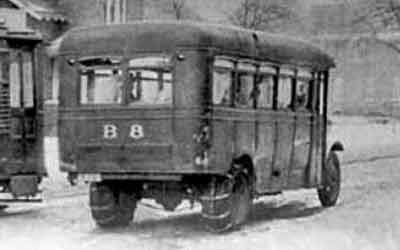
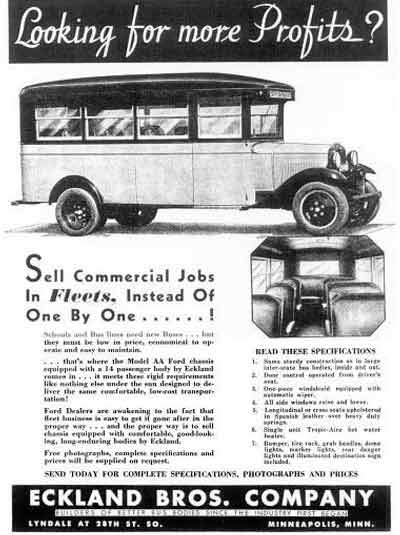
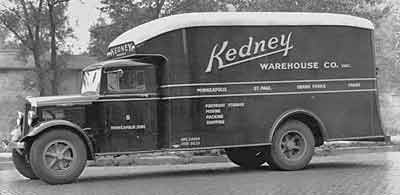
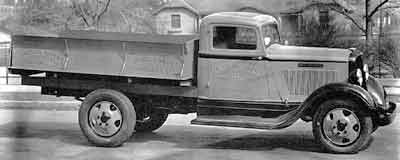
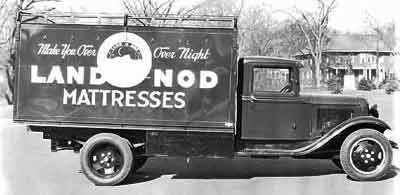
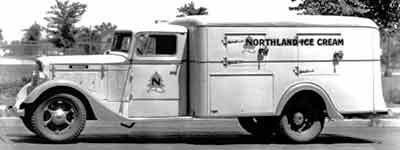
Eckland bodies were also commonly found on Wilcox (predecessor of Will) White, Mack, and GMC chassis prior to General Motors' acquisition of Yellow Coach. They also produced a large number of commercial furniture vans and delivery truck bodies for merchants in and around the Twin Cities prior to the Second World War. A circa 1922 White-Eckland coach was later converted for railway use in a combination that is popularly known as a Doodlebug. In 1924 the construction of Ford Motor Co.'s Highland Park (aka Twin Cities) assembly plant in St. Paul, Minnesota gave Eckland Brothers a local supply of high-quality low cost chassis on which to build. The firm subsequently designed an entire series of bus bodies for the new Model A, AA, Model B, and BB chassis. Eckland Bros. became an authorized Ford Motor Company truck dealer, offering a full line of Ford-based buses via publications such as Ford Dealer & Service Field. An ad published in the July, 1931 issue of is transcribed below:
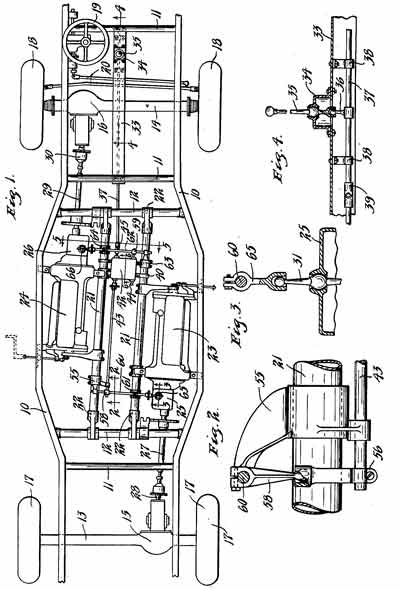
In late 1929 Peter S. Eckland and Gunner Ryden began development of a twin-engined four-wheel drive prototype bus in hopes of getting Greyhound interested in the concept. The design was awarded US Patent number 1,864,614 which was assigned to Eckland Bros. The unusual vehicle which was clearly patterned on a Twin Coach chassis, yet employing four wheel drive. The two 6-cylinder Waukesha engines were located half way down the chassis, in and under-floor compartment one on each side of the frame, each with its own 3speed gearbox and propeller shaft. The nearside engine transmitted power to the front axle, the offside to the rear. There were two separate radiators at the front of the bus, one for each engine. The vehicle was covered in the January 27, 1931 issue of The Commercial Motor, a British trade magazine:
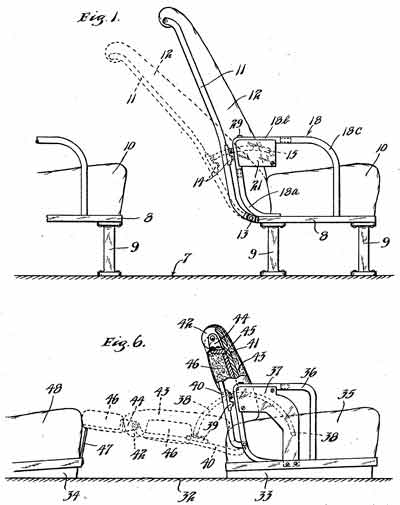
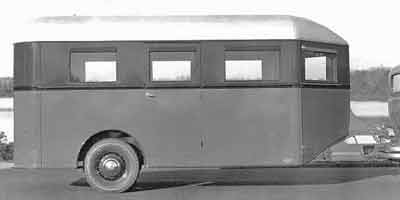
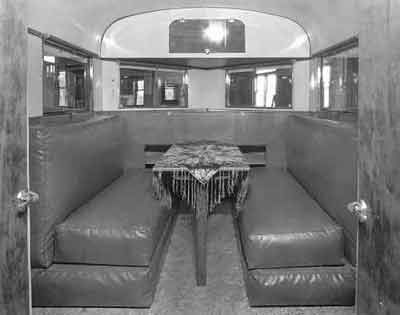
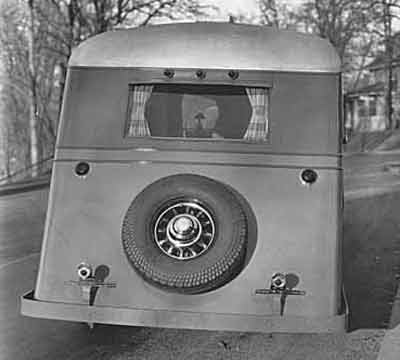
By that time the country was in the midst of the Depression and only a single prototype Dual Coach was completed. The Ecklands looked for additional sources of revenue and started building seating systems and for other bus manufacturers. Their expertise in building bus bodies came in handy during the travel trailer boon of the mid-thirties and the firm's well-built trailers were well-known in the upper-Midwest. An ad in a 1933 issue of Autobody advertised the firm's lion of tubular steel and aluminum furniture and camping accessories:
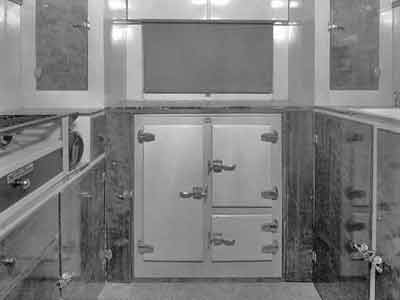
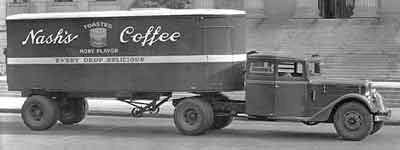
Eckland Bros. applied their trailer-building technology to the some light truck chassis and is thought to have produced a handful of Ford-chassised house cars in the late 30s, one of which survives today. The following is excerpted from an article in a 1937 issue of the Commercial Car Journal and describes an insulated trailer built by the firm:
After the War Warren L. Eckland (b. 1911), son of Peter's younger brother Leonard, assumed control of the firm which concentrated on installing truck bodies supplied by other firms. They also became a full-service collision repair shop but withdrew from business in 1955. Warren became a representative/distributor for the General Alloys Co., a large Boston-based manufacturer of sheet, extruded and cast aluminum products for the truck body industry. Today the Eckland Bros. building is the home of Hagen's Auto Body, who leases portions of the large facility out to Ducati Minneapolis, Yesterday's Auto, and Uptown Automotive. © 2004 Mark Theobald - Coachbuilt.com
|
||||||||||
|
||||||||||
|
||||||||||
|
||||||||||
|
||||||||||
|
||||||||||
|
|
||||||||||
|
|
||||||||||
|
|
||||||||||
|
||||||||||
|
|
||||||||||
|
|
||||||||||
|
|
||||||||||
|
© 2004-2012 Coachbuilt.com, Inc.|books|disclaimer|index|privacy |
||||||||||