|
|
|
 |
||||||||||
|
||||||||||
|
|
||||||||||
|
||||||||||
|
||||||||||
|
|
||||||||||
|
|
|||||||||
|
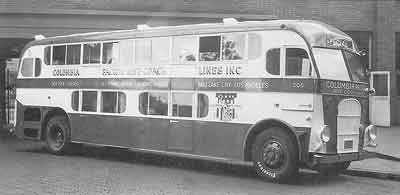
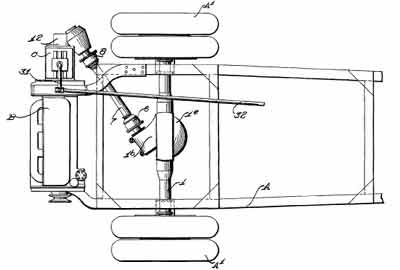
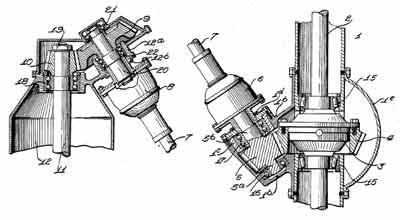
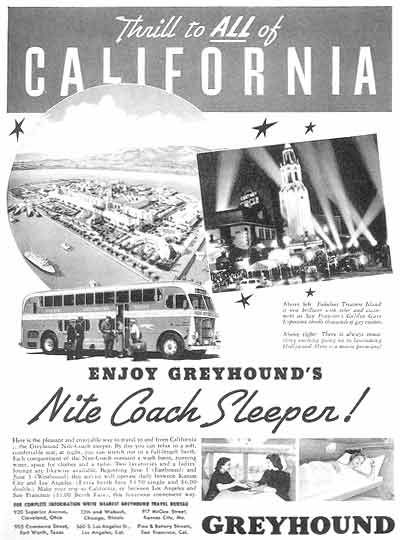
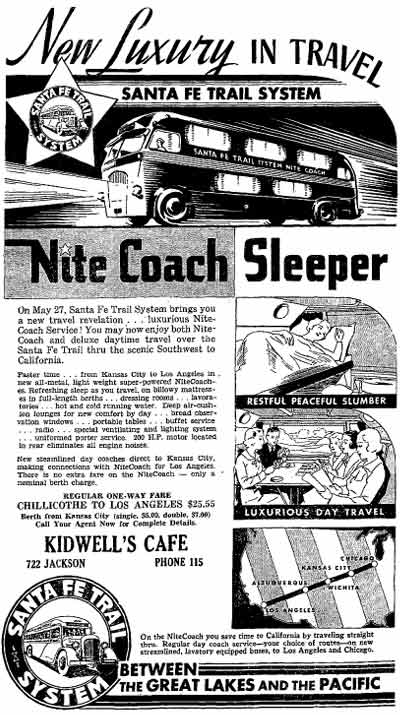
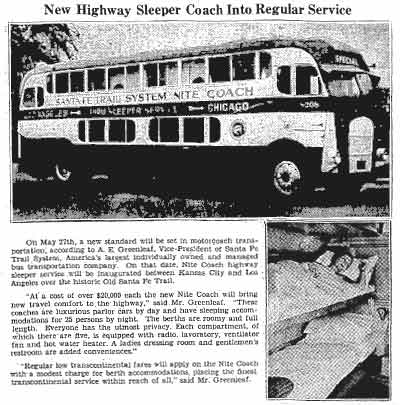
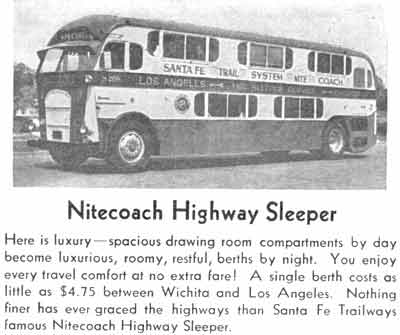
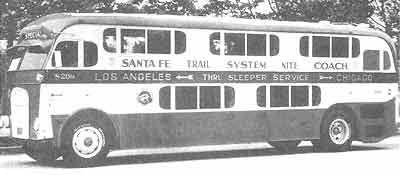
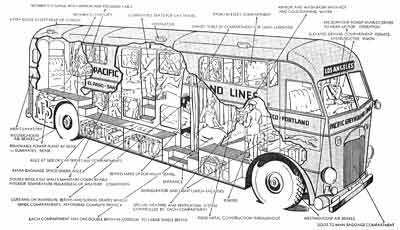
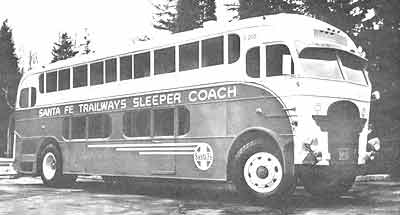
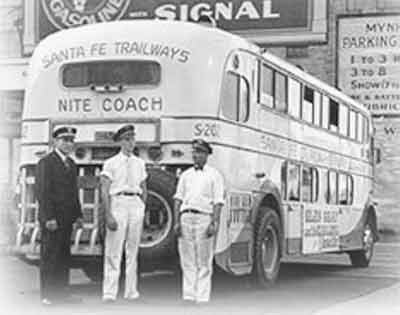
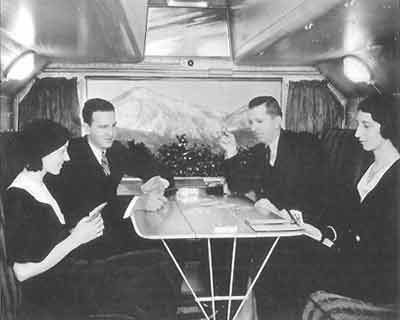
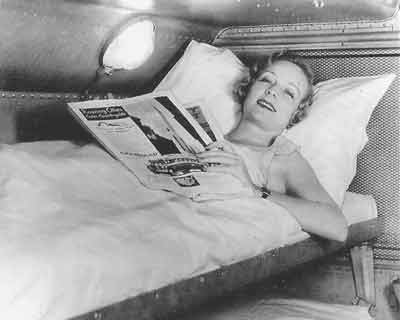
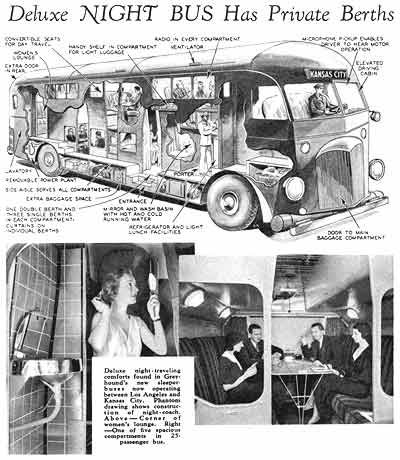
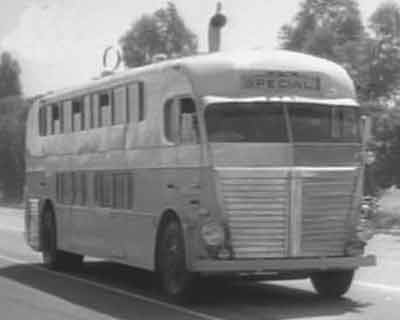
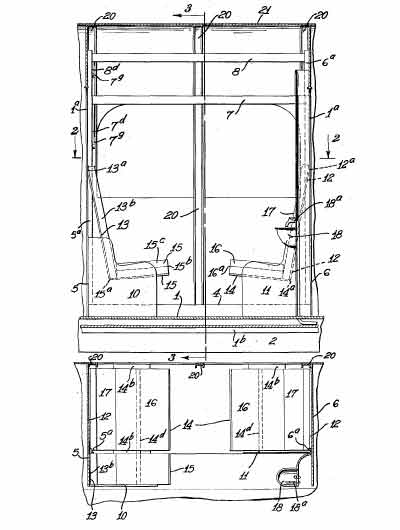
When Pickwick Motor Coach Works entered into bankruptcy in 1932, its principal owner, Charles F. Wren (b.1885-d.1944), created a new firm in order to refurbish and manufacture buses for the Columbia Pacific Nite Coach Lines Inc.. a recently organized Wren-backed firm that operated a Los Angles to Chicago passenger line which stopped off in Salt Lake City, Utah. Just before Pickwick Motor Coach Works Ltd. went out of business, Wren had introduced an all-new rounded Nite Coach that debuted in late 1932 featuring Dwight E. Austin's patented angle drive mechanism and a transverse rear-mounted Waukesha engine. Although the exact circumstances remain cloudy, it appears that Austin and Wren parted ways at the end of 1932, just as series production of the new Nite Coach was underway. As Pacific Greyhound had already committed to purchasing the new coach, Wren likely purchased the necessary tooling from Pickwick's receiver and completed the remaining Nite Coach's construction in the new Columbia Coach Works facility. Both Columbia Pacific Nite Coach Lines and Columbia Coach Works were named in recognition of the Columbia Finance Co., a newly formed holding company controlled by Wren that held a controlling stake in both firms. Dwight E. Austin did not join Wren in the Columbia enterprise, electing instead to produce his own 21-passenger city transit bus, the Austin Utility Coach, in Pickwick’s former Mines Field factory which he leased from Pickwick's receiver, C.A. Sheedy. What is known is that at least eighteen of the bread-box-style Nite Coaches were constructed. Ten were purchased by the Pacific Greyhound Line while the remaining eight coaches were sold to the Wren's Columbia Pacific Nite Coach Line. Whether they were constructed by Pickwick Motor Coach Works or by Columbia Coach Works remains unclear. At least one photograph gives a late 1932 date, although most state 1933 or later. Pictures exist of the coach in four liveries, Columbia Pacific Nite Coach Lines, Pacific Greyhound Line, Sante Fe Trail System Nite Coach and Santa Fe Trailways Sleeper Coach. Columbia Pacific went bankrupt in late 1934 and the route was taken over by the Burlington Line on December 24, 1934. The new owners elected to replace the two-year-old coaches with more cost-effective units so they were sold to the recently established Sante Fe Trailways Stage Line, who refurbished them for use on its daily Kansas City to Los Angles run. Sante Fe’s president, A.E. Greenleaf, announced the launch of the new Nite Coach service in May of 1935:
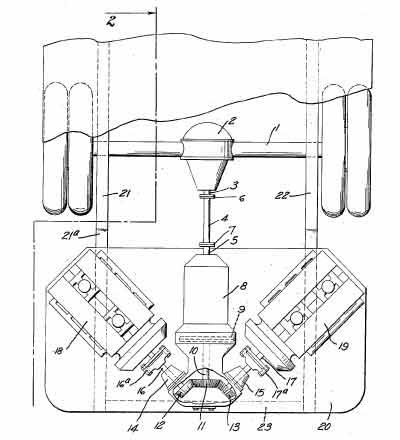
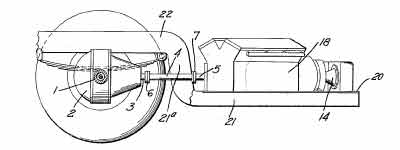
The 1941 Paramount film Sullivan's Travels includes a thinly disguised 1933 Columbia Nite Coach. The Preston Sturgis comedy stars Joel McCrea as John L. Sullivan, a young Hollywood director fresh from a string of profitable, yet shallow comedies who want to make a serious film depicting the plight of the downtrodden American. Mr. Lebrand, the studio chief (played by Robert Warwick) refuses, demanding that Sullivan deliver another comedy. The idealistic Sullivan refuses and embarks on a tour of the country disguised as a hobo in order to get a first-hand taste of the sorrows of humanity. Sullivan’s butler and valet trail Sullivan in a studio-supplied touring bus to ensure that their employer and star director make it back to Hollywood in one piece. The vehicle they use to trail Sullivan is the 1933 Columbia Nite Coach, fitted with a pair of hideous grills – front and rear – in order to disguise its true origin. When Dwight E. Austin went to work for General Motors in 1934 he abandoned the Utility Coach project and the vacant Pickwick Motor Coach Works plant was sold by C.A. Sheedy, Pickwick’s receiver, for $30,000 to Los Angeles attorney Harry Elliott. During the next decade (1934-1943) Austin served as a lead engineer in the General Motors coach division. A single Austin Utility Coach is known to have survived the scrap metal drives of World War II. Purchased in East L.A. for $400 and converted into a motorhome by Pat Patterson and family in 1948, the 1933 Utility Coach survived at least into the mid 50s before it was scrapped. With the Nite Coaches completed, Columbia Coach Works refurbished existing sleep and day coaches for Wren's Columbia Pacific Nite Coach Corp. Columbia Coach Works introduced an interesting twin-engined prototype coach in 1936 which was christened the 'Pickwick Sleeper'. Equipped with two Ford V-8 engines mounted in the rear and driving through a complicated system of shafts to a single rear axle, the vehicle's most revolutionary feature was its mechanical air-conditioning system, reportedly the first ever used in a bus. The novel drivetrain was highlighted in a 1936 article in Automotive Industries:
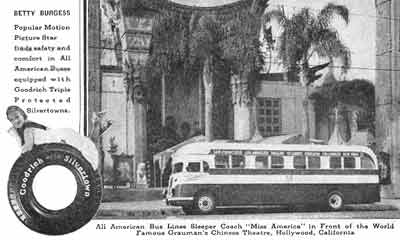
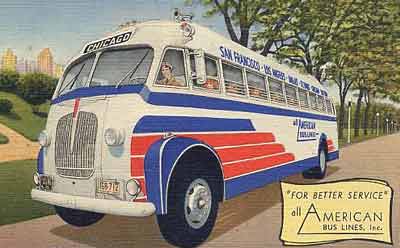
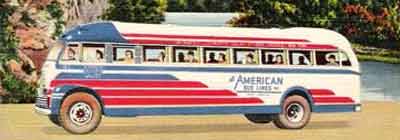
It's unknown if any further Columbia-designed twin-engined sleeper coaches were built, although Wren entered into an agreement to manufacture a small series of Hall-Scott engined coaches in association with Los Angeles' Crown Coach Co. in 1936. Some of those coaches were utilized by Wren's new bus operating company, All American Bus Lines which was organized in 1935 after Columbia Pacific Nite Coach went bankrupt. All American is historically important as they were the very first coast-to-coast bus line owned by a single operator, Charles F. Wren. While the Greyhound cost-to-coast system predated All American’s by a number of years, it was a franchise operation made up of separate firms operating independently under the Greyhound banner. At least two overnight intercity sleeper coaches were built by Crown for All American Bus Lines for use on their Chicago to New York City run. The buses featured underfloor engines manufactured by Hall-Scott in Berkeley, California, and included four sleeping compartments per side, with each one seating or sleeping three persons and containing a lavatory. The vehicles were amongst the first in the country to be built with air conditioning which was provided by the Dry-Ice Appliance Corp. of Mount Vernon, Ill. Exactly how many buses were built by Columbia Coach Works is unknown and their close resemblance to the Crown-built coaches doesn't make identification easy. The following new articles refer to generic sleepers and Nite Coaches of the era which in most cases were refurbished first (1928-29) and second (1932-33) series Pickwick Nite Coaches. All-America used Crown-built coaches for a short period after which they purchased a fleet of rear-engined Flxible Clippers. Columbia was mentioned in the the following article which appeared in the August 10, 1936 issue of Time magazine:
After Columbia Pacific Nite Coach Corp. collapsed, Wren organized a new firm, the All-American Bus Lines. Formed in 1935, the firm’s main office was at 506 S. Wabash Ave., Chicago, Illinois. All American is historically important as they were the very first coast-to-coast bus line owned by a single operator. While the Greyhound cost-to-coast system predated All American’s by a number of years, it was a franchise operation made up of separate firms operating independently under the Greyhound banner. A number of decommissioned Pickwick and Columbia Nite Coaches were relegated to charter service which for the most part involved transporting the popular big bands and orchestras of the era to and from their numerous appearances at the popular nightclubs of the time. In his 1945 memoir ‘Russ's Bus: Adventures of an American Bus Driver, Russell Aaron Byrd detailed his career as an interstate motor coach pilot. Among his repeat customers were the big bands of Jimmy Dorsey, Ted FioRito, Jan Garber, Benny Goodman, Glen Gray, Phil Harris, John Scott Trotter and Rudy Vallee. The multi-compartment Nite Coaches were well-suited for charter service. Byrd reports that a typical band of the era had eighteen members, including its leader, manager and porter. On a Columbia-built sleeper all eighteen can be put up in four of the five available compartments, with the fifth reserved for the band’s instruments and gear. Byrd states: “The main thing is that the driver bring the band in on time at every stop, with a margin of safety.” One related tale reveals that when he drove for the Jimmy Dorsey Orchestra, the bandleader typically popped into the driver’s compartment around 4 a.m. to “get his advice on things”. Byrd later learned the nightly discussions were of a more serious nature. Apparently Dorsey had read a report that revealed most early morning accidents were caused by drowsy drivers, and his 4 a.m. visits were time to keep his band members safe. After Charles F. Wren’s passing in 1944, All-American’s vice-president, L.D. Jones, was elected president. In 1945 the firm became a Trailways franchise reorganizing as American Buslines Inc. In 1953 the firm’s operations were purchased by the Transcontinental Bus /Continental Trailways system. Incorporated by Wren in 1935, All American Bus Lines was reorganized soon after his death (1944) as American Buslines. Soon after the firm became a Trailways partner and in 1953 was absorbed by the Transcontinental Bus System/Continental Trailways system. © 2004 Mark Theobald - Coachbuilt.com
|
||||||||||
|
||||||||||
|
||||||||||
|
||||||||||
|
||||||||||
|
||||||||||
|
|
||||||||||
|
|
||||||||||
|
|
||||||||||
|
||||||||||
|
|
||||||||||
|
|
||||||||||
|
|
||||||||||
|
© 2004-2012 Coachbuilt.com, Inc.|books|disclaimer|index|privacy |
||||||||||